
Usually yes, they are worth it — and here are the four things about an older pool that decide how much you actually get.
Usually yes — and the reason is one piece of physics rather than a sales argument.
So moving the same water more slowly over a longer period costs less than moving it flat out for less time. That is the entire idea, and it is why these pumps exist.
And people often notice them before the electricity:
A low speed for filtration, a higher one when the heater or a cleaner needs flow.
It depends on your plumbing, your electricity rate and how many hours you run — and a number here would be arithmetic about somebody else's pool. What we can do is explain the mechanism, which is above, and then be honest about the conditions that limit it.
Frequently the first thing anyone comments on, especially where the equipment pad is near a terrace.
Lower pressures and slower flow are easier on the filter, the plumbing and the pump itself.
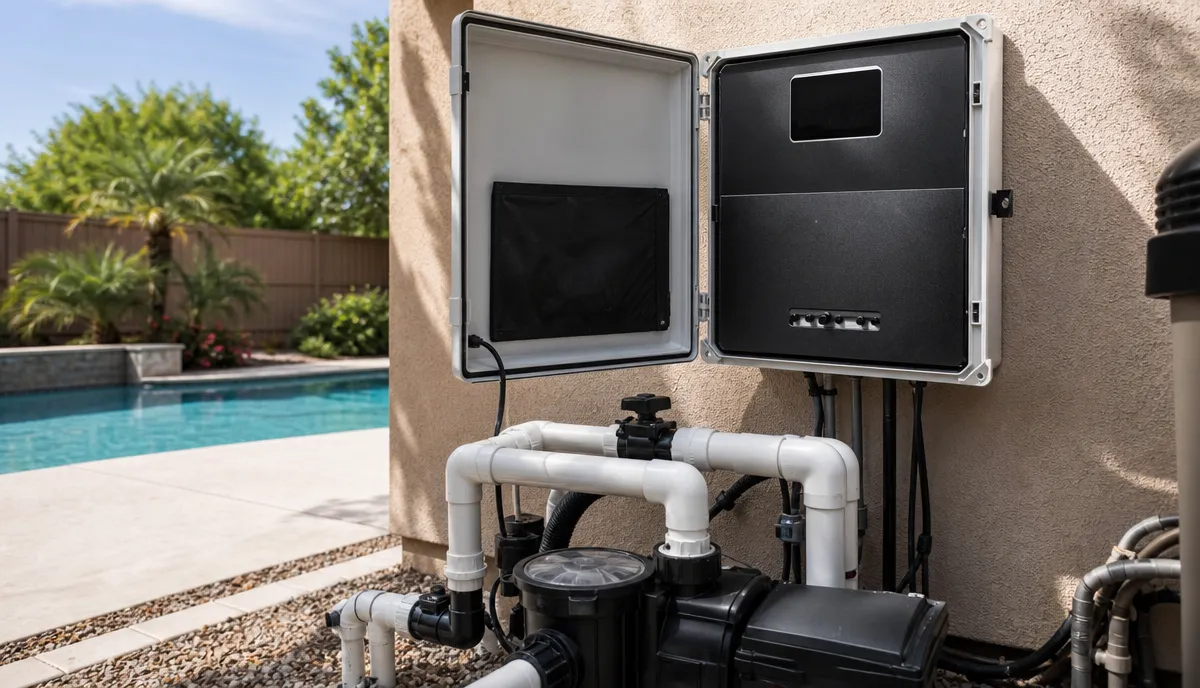
This is the part most pages skip, and on an older pool it matters more than the choice of unit.
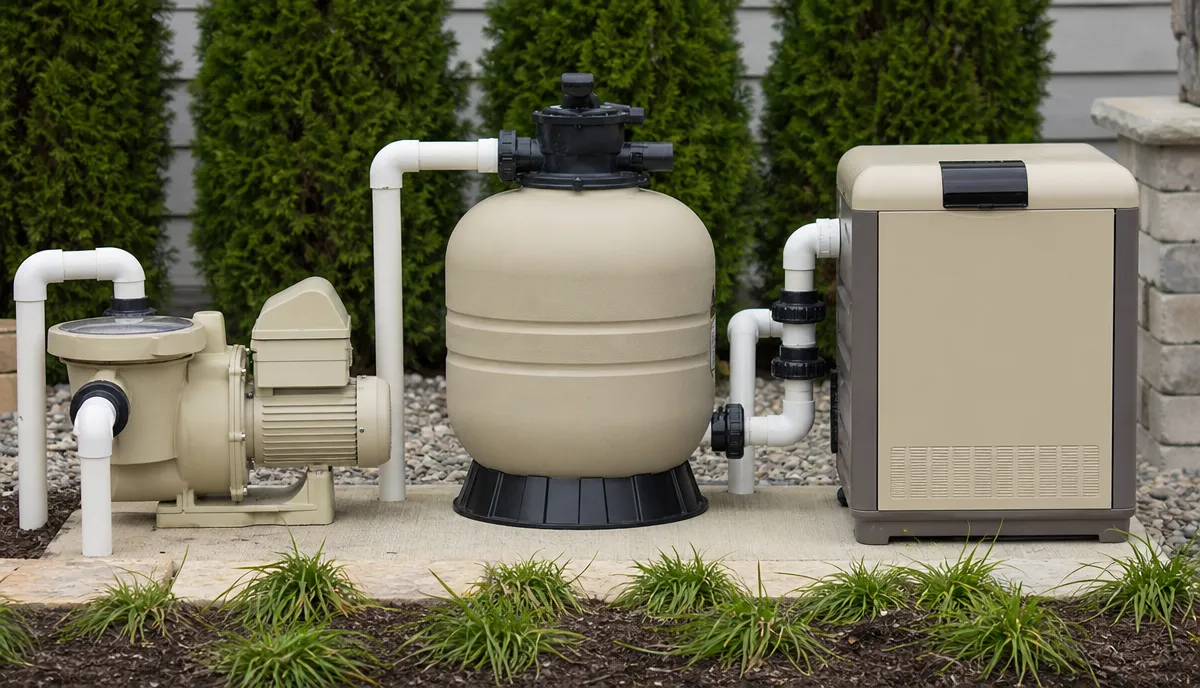
Three cases, and we would rather say so than sell one anyway.
When the existing pump is fine and the fault is a part. A shaft seal caught early, an o-ring, a capacitor, a cleaned impeller — those are repairs worth making on a pump of any age, and calling about a drip is not a reason to be sold a new pump. See pool pump repair.
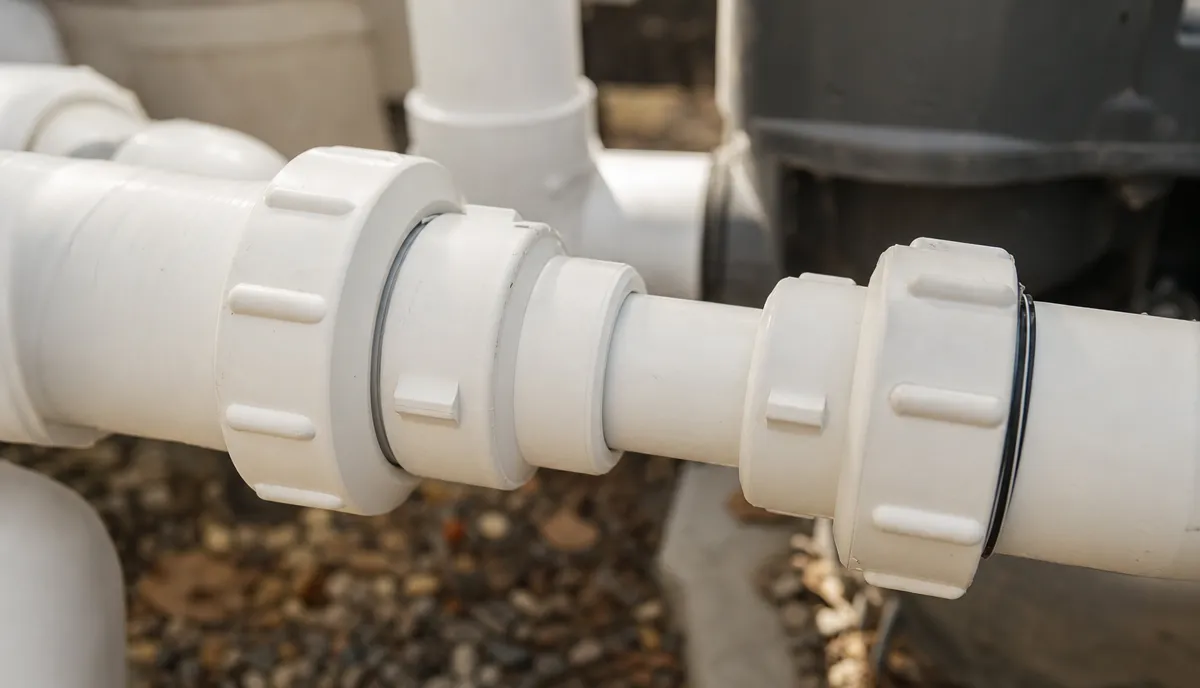
When the plumbing is too narrow or too convoluted to let the pump run slowly. You would be buying the quietness and much less of the saving. Sometimes that is still worth it — but you should know which of the two you are paying for.
When nobody is going to set it up properly. A variable-speed pump on a single fixed speed, chosen to keep the heater happy, is an expensive single-speed pump. The schedule is not an optional extra; it is the product.
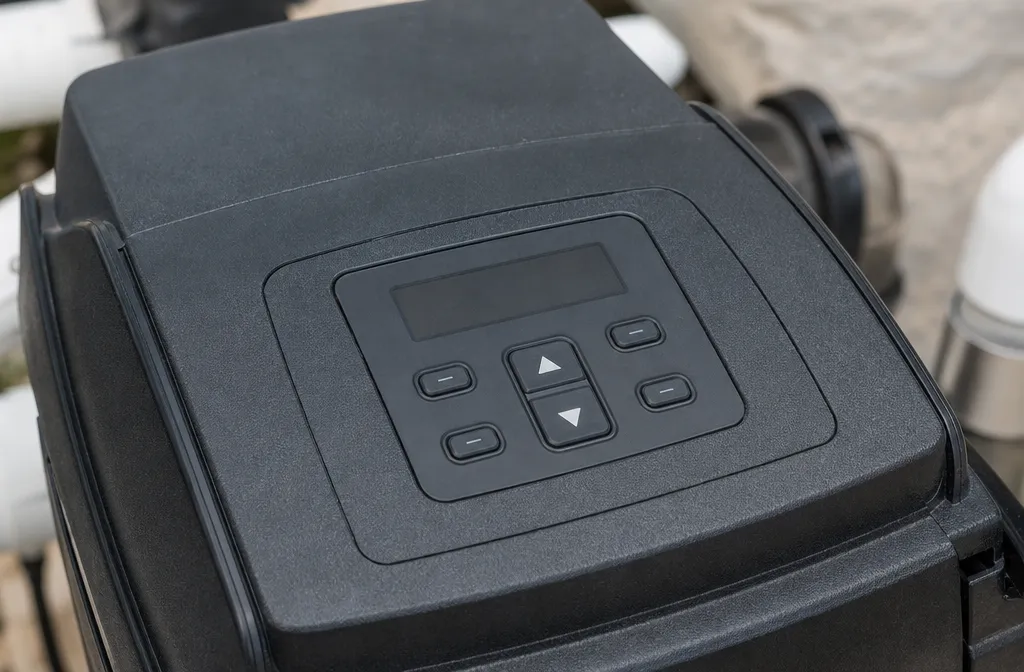
Not from the pool's gallons and not from the old pump's label — from the system in front of us: the runs, the fittings, the diameter, the elevation and the pressures it is actually running at.
Which is the difference between a retrofit that works and one that produces a heater that will not fire.
Motors are rated in more than one way, and the same nominal horsepower can describe two motors that do different amounts of work. Matching the number on your old pump is not the same as matching the pump. What the pool needs is a flow rate against the resistance of your plumbing, which is a measurement rather than a badge.
Includes Jandy FloPro VS and ePump, Pentair IntelliFlo and SuperFlo, and Hayward and Sta-Rite units — named as equipment we service, not as any relationship with the manufacturers. See variable-speed pool pumps.

“The crew is super knowledgeable and courteous.”
Tell us the plumbing and what is on the pad, and we will tell you honestly.
Single-speed replacements have become steadily harder to buy for in-ground pool duty, and that trend is a real factor in the decision rather than a sales line.
We are not going to quote regulation text, thresholds or dates on this page — we would rather not paraphrase a federal rule from memory. There is a post on the blog calendar dedicated to what it means for Ohio pool owners, and that is where the detail belongs.
The practical consequence today: if your single-speed pump fails, "another one the same" may not be an option you have, which changes the arithmetic on retrofitting sooner rather than later.

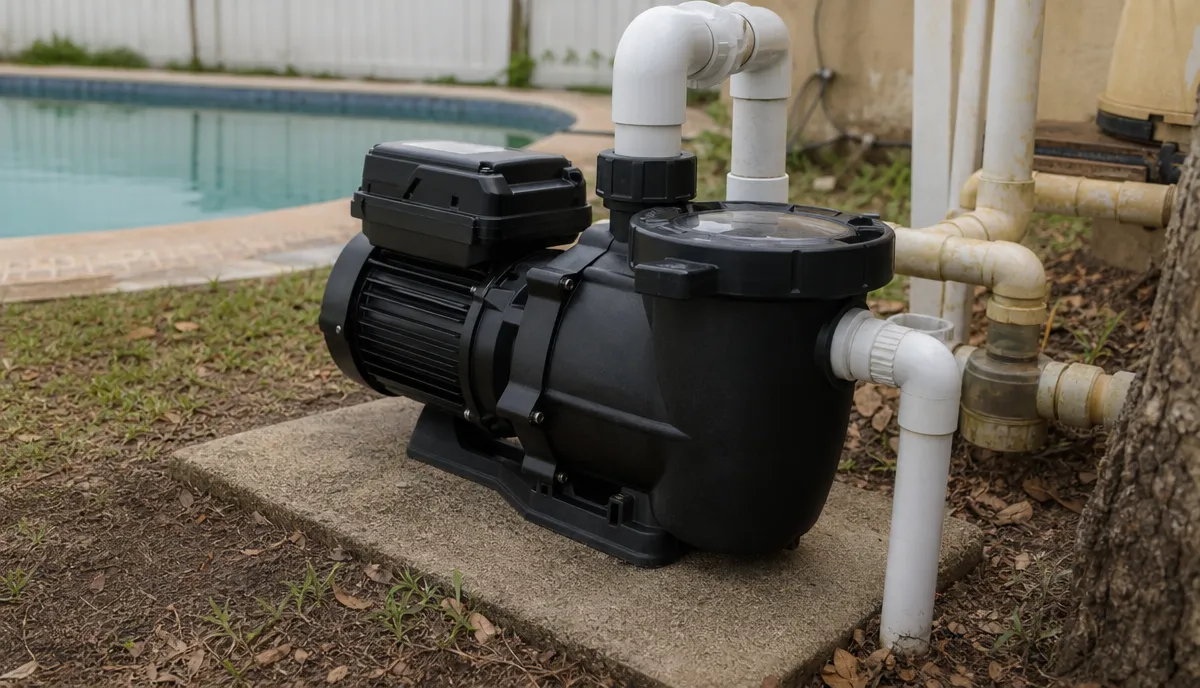
A variable-speed pool pump on a pad beside an older single-speed pump, the two side by side for comparison
Pump supply and replacement are quote-required, because the right pump depends on the plumbing rather than on the badge on the old one, and because what the installation involves depends on what is already on the pad.
A $150 service call applies to a diagnostic and repair visit and covers up to the first hour on site, with parts and further labour quoted before we do them. If a diagnostic establishes that a repair is the better answer, that is what we will quote. See pool equipment repair.
No free estimates, and no financing — we accept credit card payment.
And no rebate claims. Utility and manufacturer programmes exist and change; we are not going to describe one on a page that will outlast it. Ask us what is current when you get a quote.
The repair-versus-replace-versus-retrofit decision is set out on repair, replace or retrofit, which is written for exactly the older-pool case this guide keeps referring to.
The rest of the guides are on resources.
Usually yes, and the reason is physics rather than salesmanship: the power a pump draws falls away much faster than the flow does when you slow it down, so moving the same water slowly over longer costs less than moving it flat out. They are also much quieter and gentler on the whole system. How much you gain depends on your plumbing.
We will not put a figure on it, because it depends on your plumbing, your electricity rate and your run hours — a number here would be arithmetic about somebody else's pool. The mechanism is the useful part, and it is the one above.
Almost always, but the benefit varies. Older pools were often plumbed in smaller-diameter pipe, and narrow pipe raises resistance, which limits how slowly the pump can usefully run — and slow running is where the saving lives. So the question is how much you gain rather than whether it works.
Because the pump is running below the minimum flow the heater's switch will accept. The pump is doing exactly what it was set to do and the heater is protecting itself correctly — but the pool does not get heated. The fix is a schedule with a heater-satisfying speed, not a different heater. The same applies to a salt cell, which makes no chlorine at all without flow.
Usually not. A mechanical timeclock only switches a circuit on and off, and a variable-speed pump has its own schedule and control. Where there is a heater, a salt cell or a cleaner to coordinate, that is the point at which a controller earns its place rather than being a luxury.