

What a pool controller actually does, the four problems it genuinely solves, and the ones it does not. Written for pools that already exist.
A pool automation system is a controller that coordinates your equipment on a schedule — the pump, the heater, valves, a salt cell, lights — and gives you one place to read and change what they are doing.
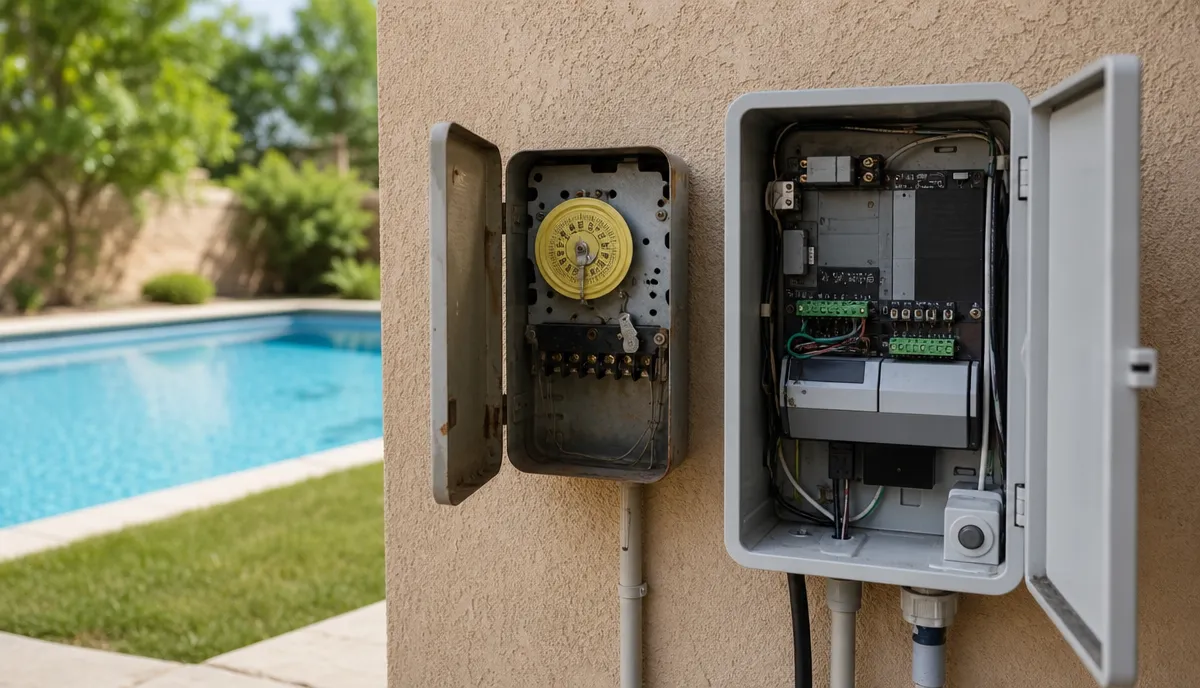
A mechanical timeclock switches a circuit on and off. That is the entirety of what it does: it has no idea what the pump is doing, whether the heater wants flow, or whether the salt cell is producing. Everything beyond on-and-off is coordinated by whoever remembers.
It is about the equipment being able to agree with itself.
Worth as much as the list above, and rarer to find written down.
It is not a cleaner. Automation schedules equipment; it does not vacuum, brush or skim, and neither do we — most of our service customers run a robotic cleaner for the surfaces.
On a residential pool it does not automate your chemistry. This is the most common misunderstanding on the subject. A domestic controller runs equipment on schedules; it is not continuously measuring your water and dosing against it. Some systems will report a salt cell's output or a water temperature, and that is not the same as chemical control.
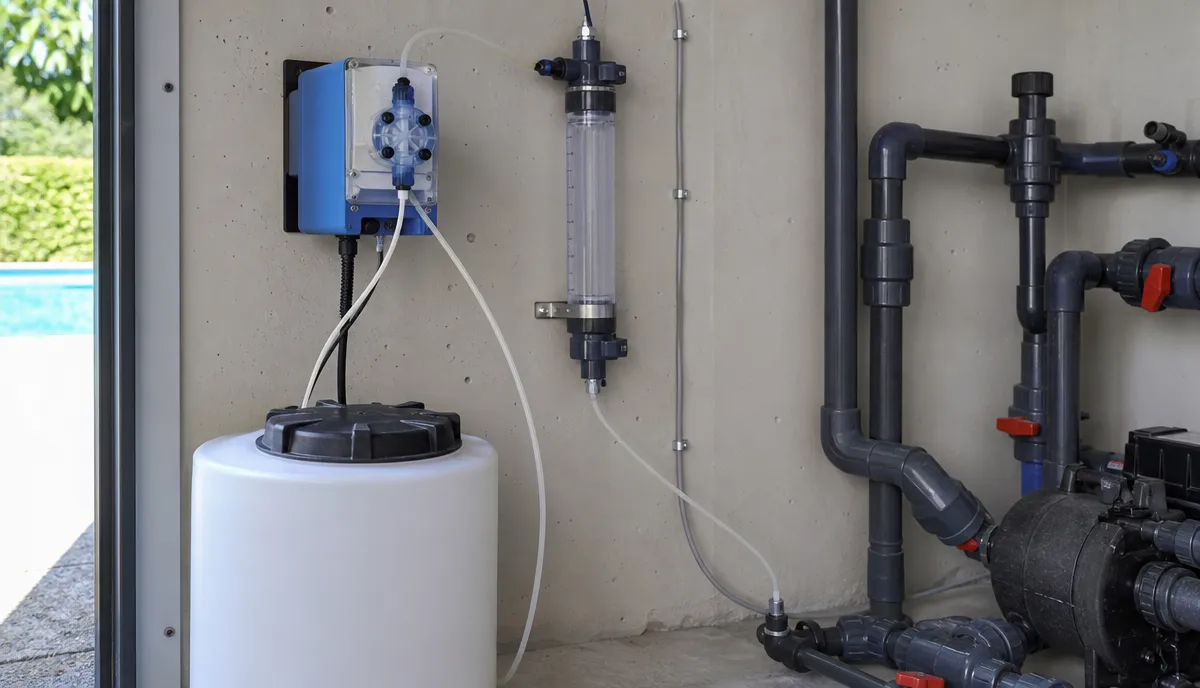
Actual chemical automation is a commercial class of equipment — controllers such as BECS and Chemtrol with Stenner or Blue-White feeders, reading the water continuously and dosing to hold a target. That is a different product at a different scale, and it is where about a quarter of our work lives. See commercial pool maintenance.
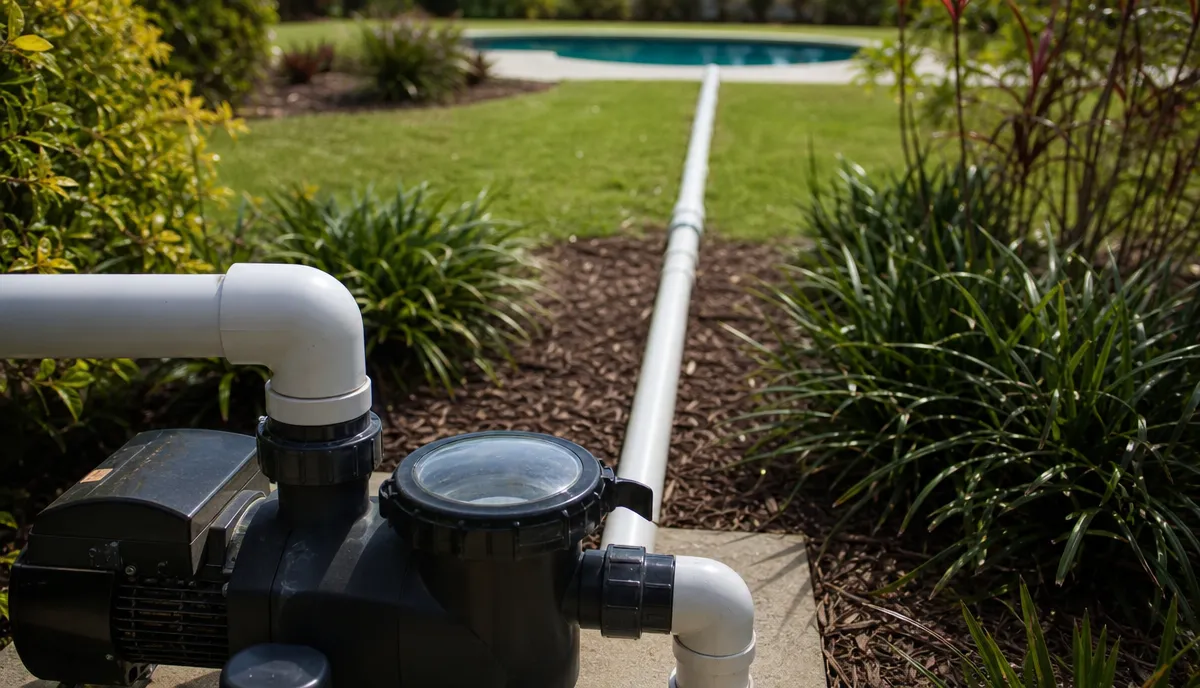
It will not rescue bad plumbing. If the pipe run is too narrow or too convoluted for the pump to run slowly, a controller lets you schedule that limitation elegantly. It does not remove it.
And it will not make an undersized heater satisfy. Nothing does.
On an existing pool this is the first thing to establish, not the last.
A heater with no communication capability can often still be switched, but it cannot be read or set from the controller — so you get partial automation and someone still walks to the pad. A like-for-like equipment replacement chosen without checking this is how a working automated pool becomes a half-manual one.
We install, repair and upgrade Pentair IntelliCenter, Jandy iAquaLink and TCX, and Hayward OmniLogic — named as equipment we service. We are not an authorised dealer, service centre or certified installer for any manufacturer; see brands we service.
Three other things a survey settles:
Rather than staying. A controller has its own schedule, and two schedulers fighting each other is worse than one.
On a pad well away from the house this needs deciding before the equipment is chosen, not after — and we do not do electrical supply work. A new circuit or a supply change is a licensed electrician's job, as is anything to do with the pool's bonding. We will tell you what the system needs and hand that part over.
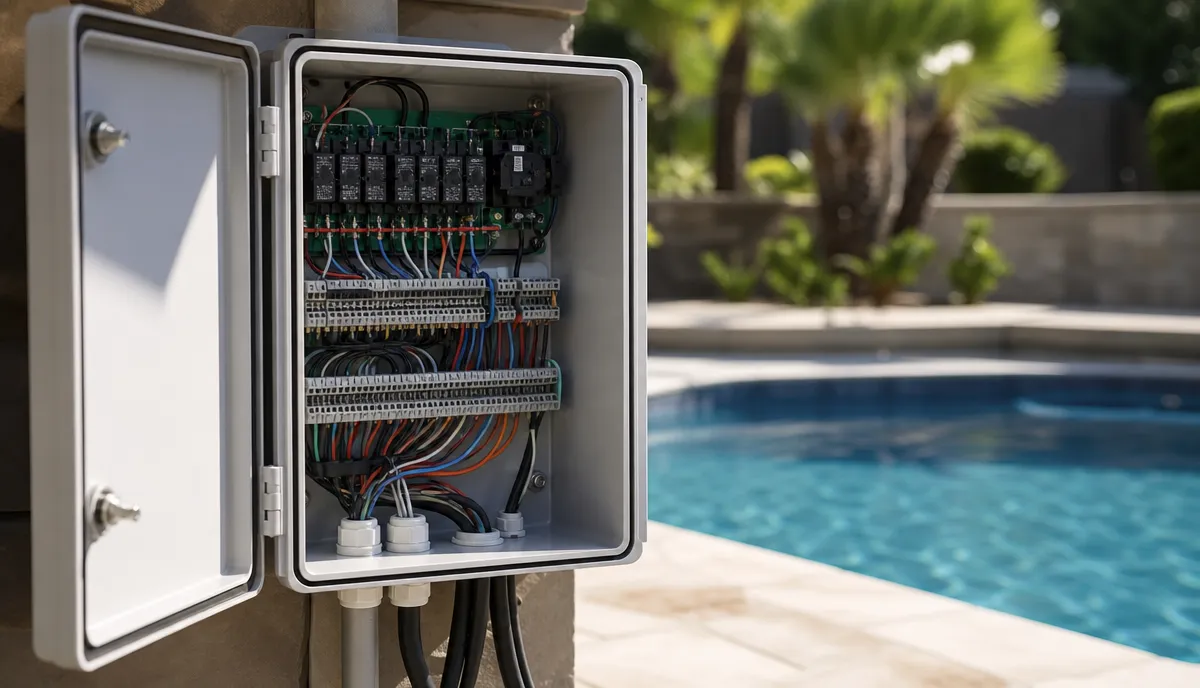
Controllers, relays and their enclosure take space, and an old pad laid out tightly around the equipment of its day sometimes needs re-plumbing to accept one.
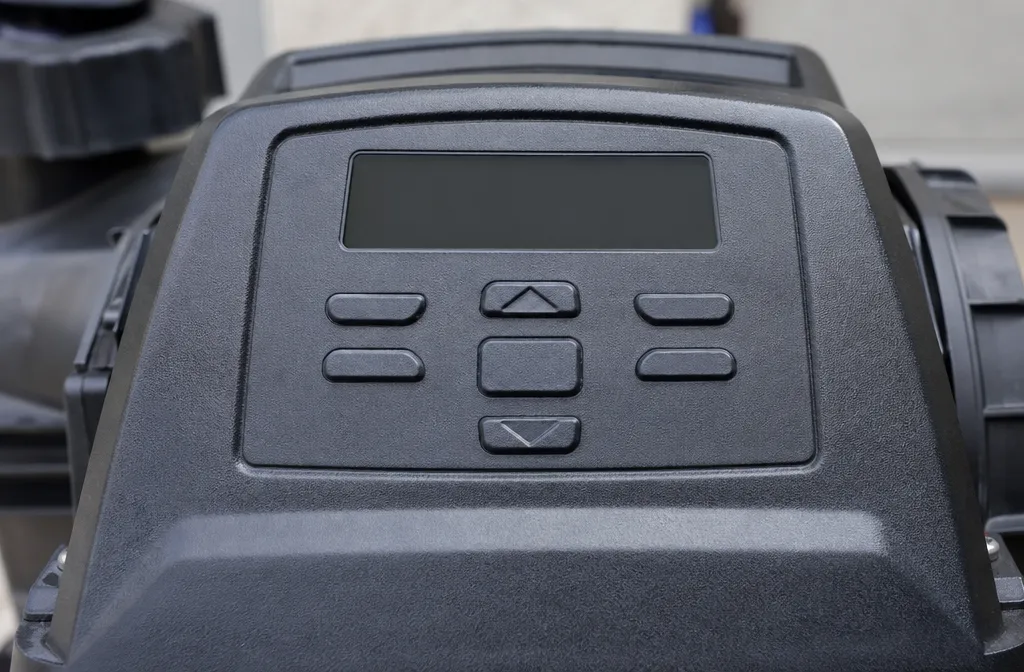
The drive panel of a variable-speed pool pump
“Matt and his team are fantastic to work with. Easy to schedule, quality work is done right the first time. Highly recommend.”
Tell us what is on it — the compatibility answer comes before the quote.
Three cases, and we would rather say so than sell one.
A simple pad beside the pool, with a pump and a filter and nothing else. There is very little to coordinate, and a timeclock does the job. Automation earns its place when equipment has to agree with each other.
A pool nobody wants to think about at all. A controller is a tool for someone who will use it. If the goal is not to engage with the pool, a regular service visit does more for you than an app does — see chemical and equipment checks.
When the plumbing or the heater sizing is the actual problem. Fix the cause. Automating around a limitation makes it tidier and no cheaper.
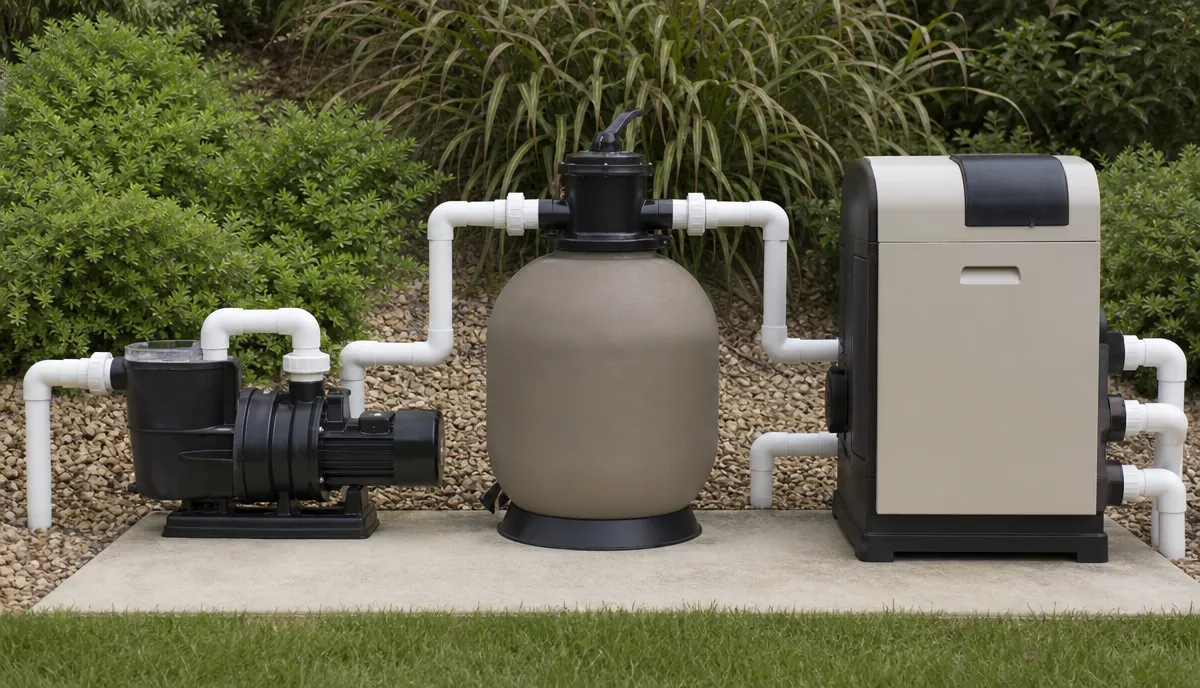
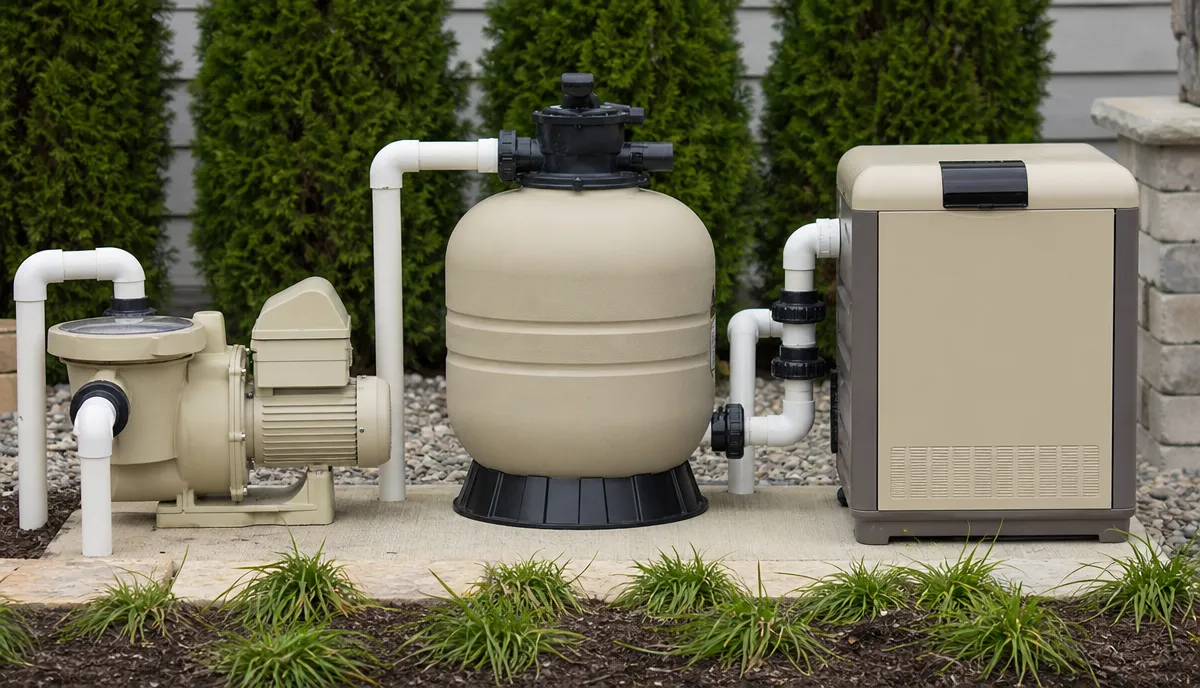
A pool equipment pad with pump, filter and heater
A variable-speed pump plus a heater, or plus a salt cell — because that is the coordination problem in its purest form.
A pad set well away from the house. Anything you would otherwise have to walk out to check.
A pool with several water features, valves or zones, where the manual sequence has genuine steps to get wrong.
A commercial or semi-public pool, where continuous chemical control and a documented record are not conveniences.
Automation is quote-required — the controller, the number of relays and valve actuators, what is already compatible, the wiring and the pad layout all move it too much for a published figure to mean anything.
A $150 service call applies to a diagnostic and repair visit and covers up to the first hour on site. On an existing system that hour usually settles whether you are looking at a board, a probe, a corroded ground connection or a schedule.
No free estimates, and no financing — we accept credit card payment.
See pool automation for the service, pool automation installation for a new system, and pool automation repair and upgrades if what you have has stopped behaving. The rest of the guides are on resources.
A controller that coordinates your equipment on a schedule — pump, heater, valves, salt cell, lights — and gives you one place to read and change what they are doing. What it replaces is a mechanical timeclock, which only switches a circuit on and off and has no idea what any of the equipment needs.
On a residential pool, no — and it is the most common misunderstanding about it. A domestic controller schedules equipment; it is not continuously measuring your water and dosing against it. Actual chemical automation is a commercial class of equipment — controllers like BECS or Chemtrol with Stenner or Blue-White feeders — reading the water continuously and dosing to a target.
Usually, and the question that decides the project is compatibility rather than the controller. Some equipment can talk to a controller and some can only be switched by it — which gives you partial automation and someone still walking to the pad. That is worth establishing before anything is chosen, not after.
Usually not. A controller has its own schedule, and two schedulers working against each other is worse than one. On a pad well away from the house the wiring and signal path also want deciding before the equipment is picked — and we do not do electrical supply work, so a new circuit or anything involving bonding is a licensed electrician's job.
Often not, and we would rather say so. On a pad beside the pool with just a pump and a filter there is very little to coordinate, and a timeclock does the job. Automation earns its place when equipment has to agree with each other — a variable-speed pump with a heater or a salt cell is the clearest case, because their flow requirements conflict.
