
Raypak gas heaters diagnosed, repaired and replaced — including the flow faults that look like heater faults. $150 service call across Twinsburg, Solon, Hudson and the Route 91 corridor.
Worth stating up front, because it is the most useful thing about owning one here.
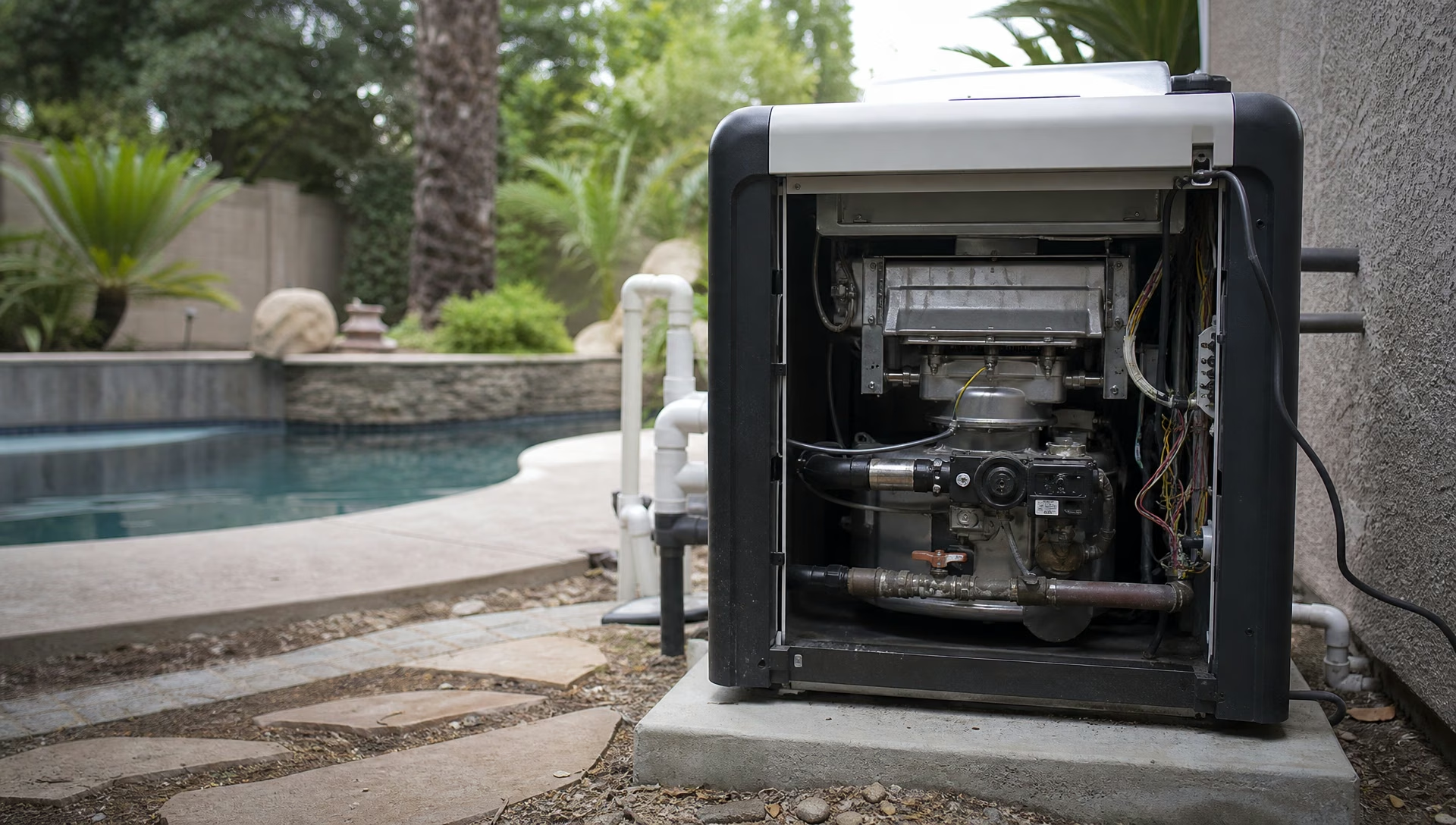
Raypak's pool heating range is predominantly gas, and gas is the technology that works in a Northeast Ohio season. The reason is simple physics: a gas heater burns fuel and heats water directly, so it delivers the same output whether the air outside is 80°F or 45°F.
A heat pump cannot do that. It moves heat out of the outside air, so its output falls as the air cools and effectively floors out in cold weather — which here means April and October, the exact two months most people bought a heater to use.
So if you have a Raypak, you have the right kind of heater for the shoulder seasons. That is genuinely worth knowing when you are deciding whether to repair it or move to something cheaper to run: the cheaper-to-run option gives up the months you probably care most about. The full comparison is on the pool heaters hub.
The most common Raypak call is a heater that fires and then cuts out, or will not stay lit — and that is usually flow, not the heater.
Check the pressure against your clean baseline first — see pool filter repair. This is the single most common cause, and it costs nothing to check.
For the heating cycle. Extremely common where a variable speed pump was fitted without being commissioned properly. The fix is a speed setting rather than a part.
Real, and a heater-side repair.
Every gas heater watches water flow through a flow-switch and shuts down below a minimum. It has to: firing a burner without adequate flow damages the exchanger. So the heater is reporting a problem somewhere else on the pad:
A pump losing prime, a blocked basket, or a low water level.
Why we lead with this: replacing a heater to solve a filter problem is the most expensive misdiagnosis in pool service, and it is entirely avoidable with a pressure reading.
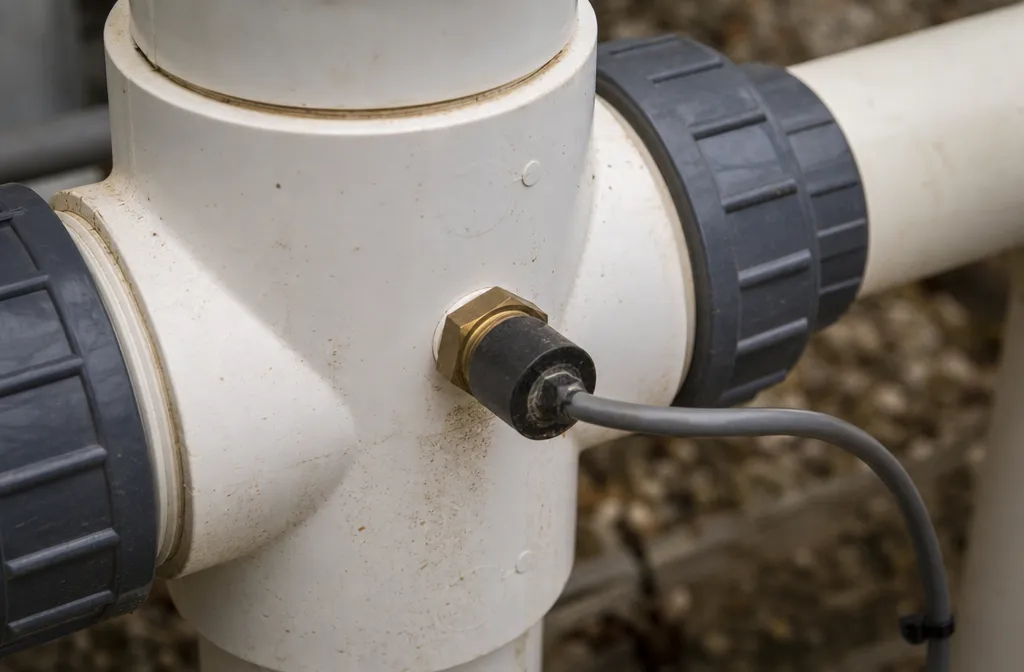
A pool heater flow switch
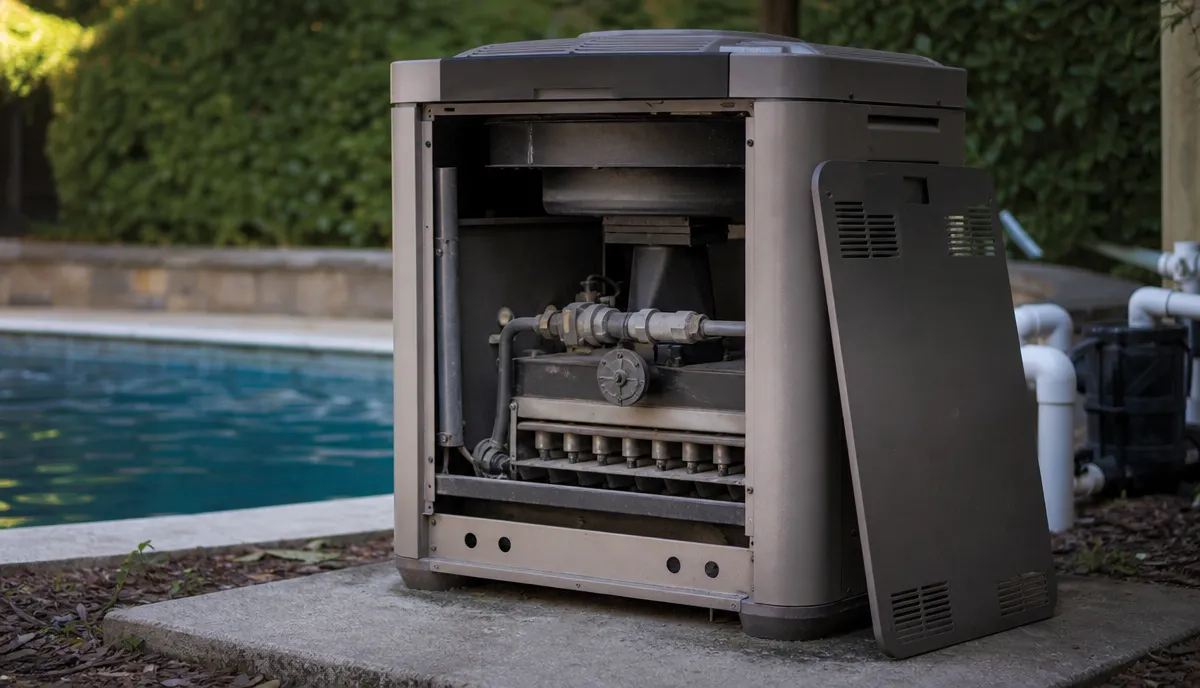
Since Raypak is gas, the fault profile is the gas profile.
Ignition and gas supply. A heater that will not ignite at all — start with the obvious: is the gas valve open, is there propane in the tank, is the breaker on, and is the set-point above the current water temperature. After that it is the igniter, the gas valve, or a safety interlock doing its job.
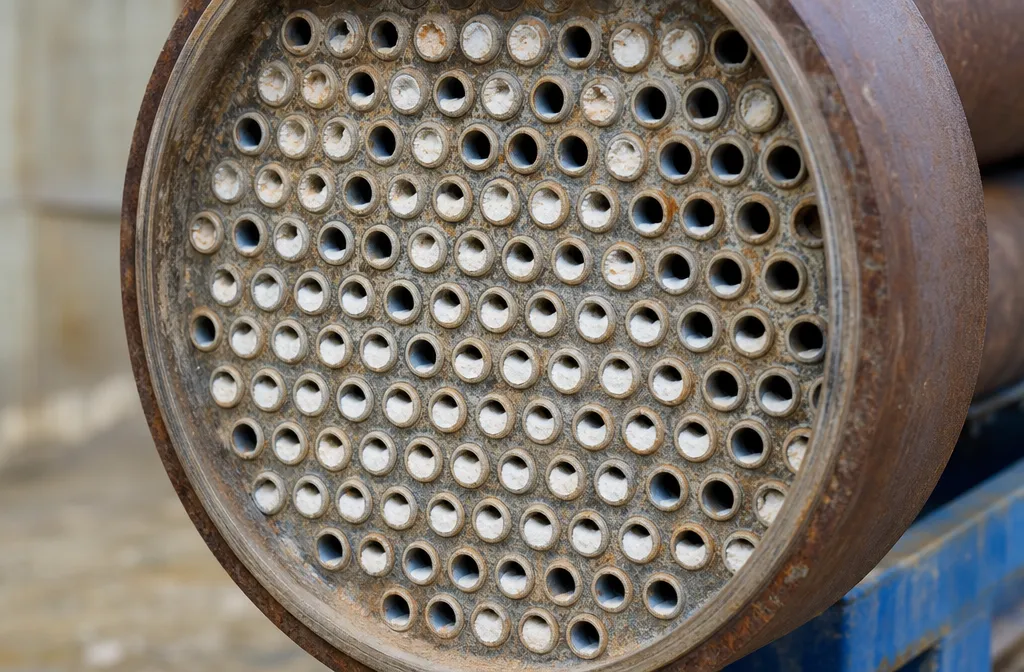
Scale in the exchanger. The quiet one. Mineral deposit insulates the exchanger, so the burner fires into a deposit rather than into water and output drops with nothing else changing. A de-lime frequently restores a heater somebody had written off — and rising running cost with no other change is the same symptom seen from the bill.
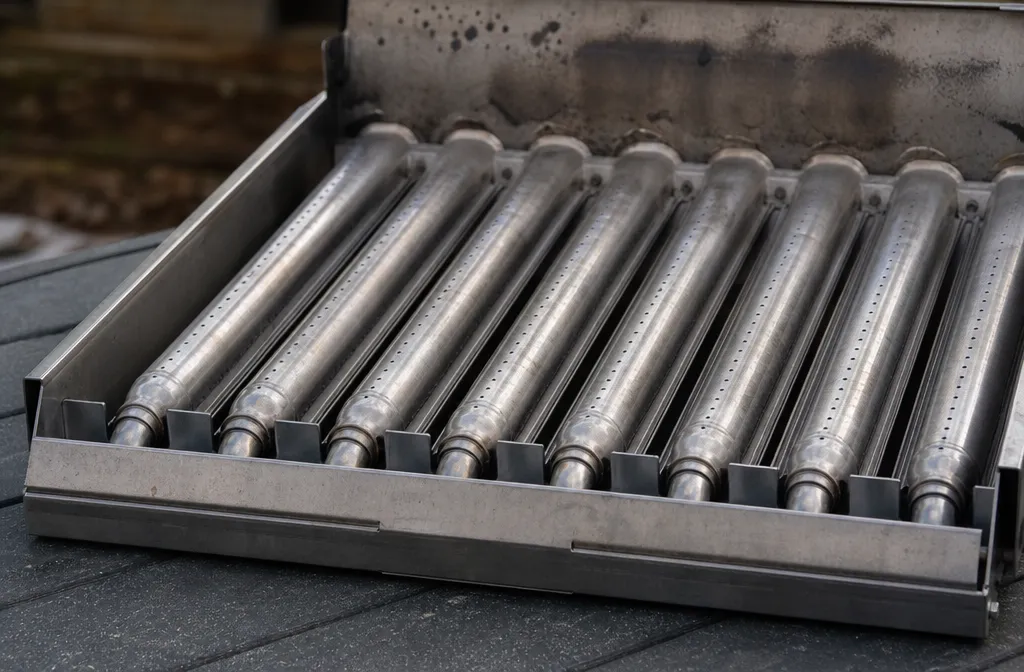
Condensation corrosion. A gas heater run at too low a return temperature will condense flue gas inside its own cabinet and corrode from the inside out. It shows as rust streaking below the burner tray, and it means the way the heater is being run needs changing as well as the unit being looked at.
Venting and combustion. Rust, soot or a smell means stop using it and call. This is the one symptom where continuing to run the heater is a bad idea.
Sizing that was never right. A heater is BTU-rated for a volume of water and a temperature rise. One that never kept up was probably always undersized rather than failing now — see pool heater installation for how we size them.
Raypak heaters display fault codes, and yours means something specific.
We do not publish decoded codes for manufacturers whose own documentation we are not working from. Getting one wrong sends somebody to the wrong component with the gas on, and that is not a risk worth a page view.
What to do: the definitions for your unit are in the Raypak documentation for that model. Read us the code when you call — it genuinely shortens the visit, because it tells us which system to arrive prepared for.
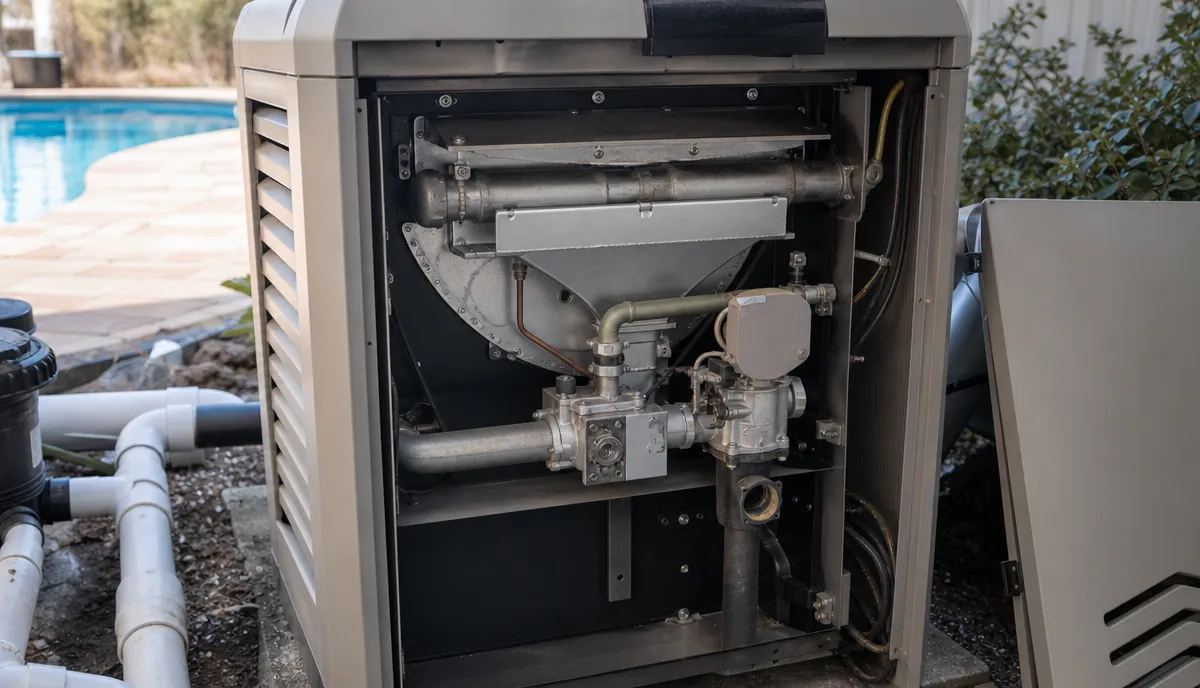
The gas valve train inside a pool heater
No age rule. A $150 service call covers up to the first hour of diagnosis or repair, and the decision comes out of what the diagnostic finds.
The deciding factor is the heat exchanger, and its condition is set by water chemistry rather than years. Scale and corrosion finish exchangers, and both come from chemistry — so a Raypak that spent its life on well-balanced water can be sound at ten years while one that ran at low pH is done at five.
Where a repair will hold, we repair. Where the exchanger has gone, we say so instead of selling the same repair twice. See pool heater replacement.
“M&G has serviced our in ground pool for the past 10+ years. Seasonal opening & closing, replacing heaters, pumps and a number of aggravating repairs that Matt & his crew have handled correctly at a fair price. Recommend highly.”
Check your filter pressure first — then tell us what it is doing.
A gas heater has an exchanger full of water, and an exchanger left full through a Northeast Ohio winter splits.
That is a replacement rather than a repair, and it is not a warranty matter — it follows from how the pool was closed rather than being a fault in the unit. A proper close purges the heater in its own right rather than assuming it self-drains, which many heaters do not.
It is also why so many heater faults appear at the spring opening. The unit was fine in October; the winter is what changed it.
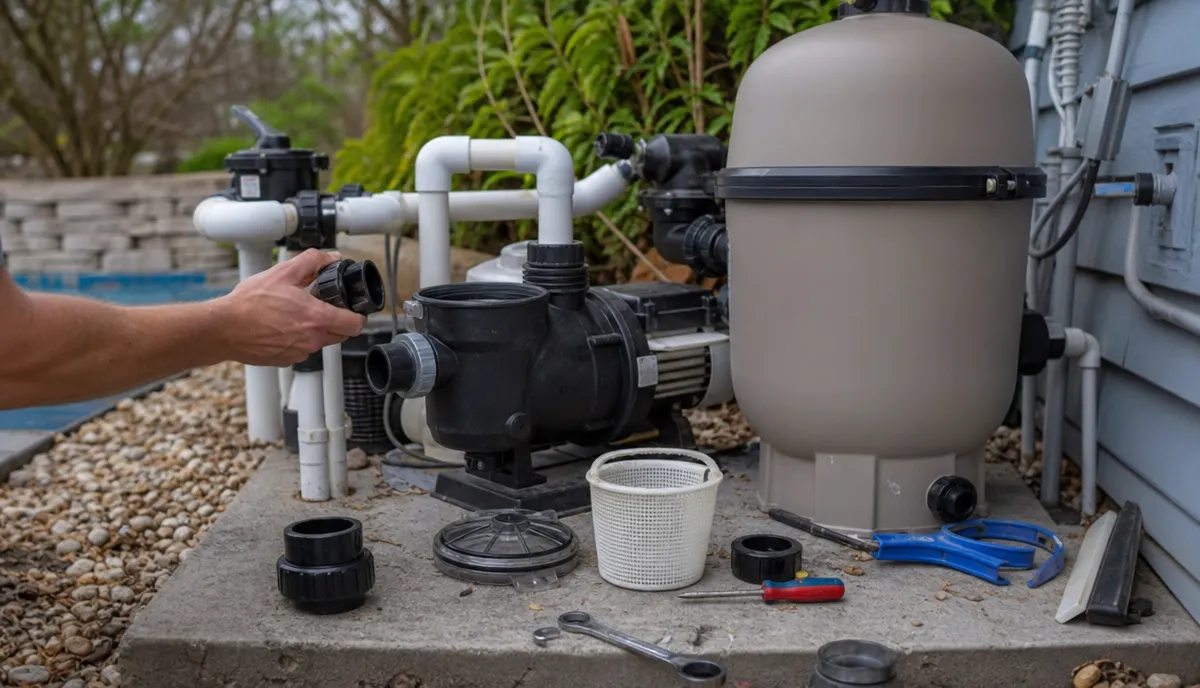
An equipment pad being put back together in spring
Two things, and neither is the heater.
Water chemistry, because scale and corrosion are what actually kill exchangers. Consistently balanced water is worth more to a heater's life than the badge on it — see chemical and equipment checks, which also documents the chemistry history a manufacturer may ask about.
A cover. Most of a heated pool's heat loss is from the water surface, so covering it overnight cuts running cost and reduces how hard the heater works to hold temperature.
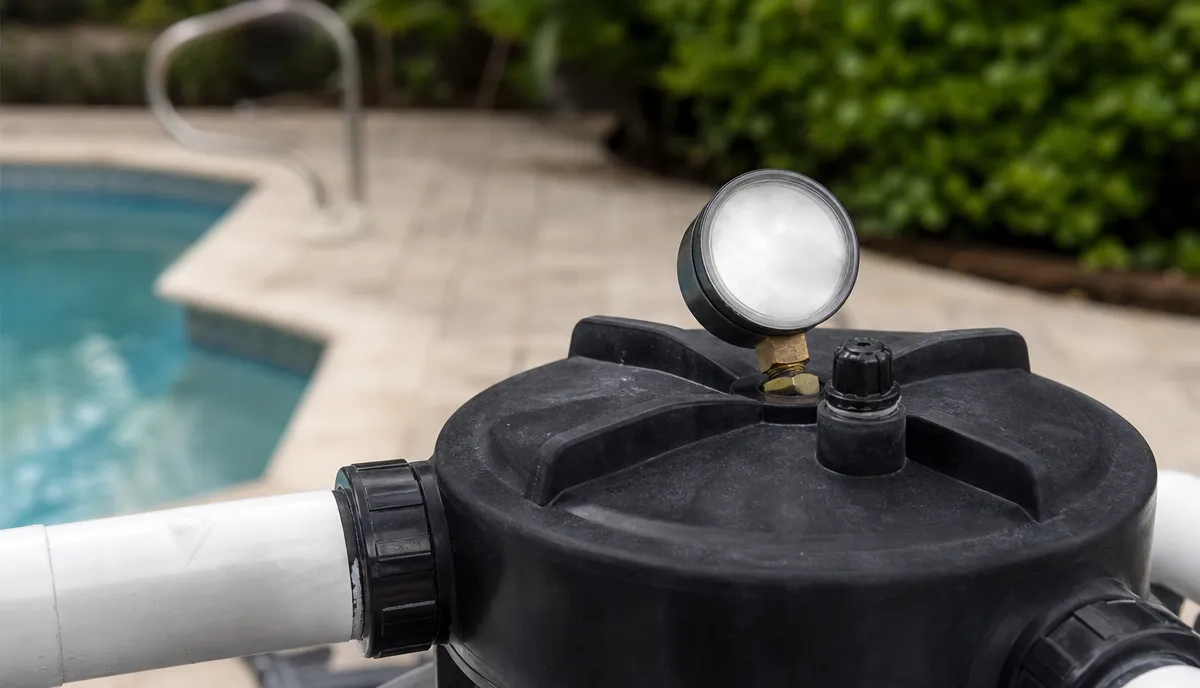
A pool filter pressure gauge and air relief valve
We service, repair and replace heaters from Hayward, Pentair, Raypak, Jandy, Sta-Rite, Fluidra and Zodiac: Hayward pool heater repair — which includes what the common Hayward fault codes mean — and Pentair pool heater repair. Symptom-by-symptom diagnosis for any brand is on pool heater repair. Full list on brands we service.
Products we install carry the full manufacturer's warranty, which varies by manufacturer and generally runs between one and three years. We do not offer a separate workmanship guarantee, and nothing on this page should be read as one.
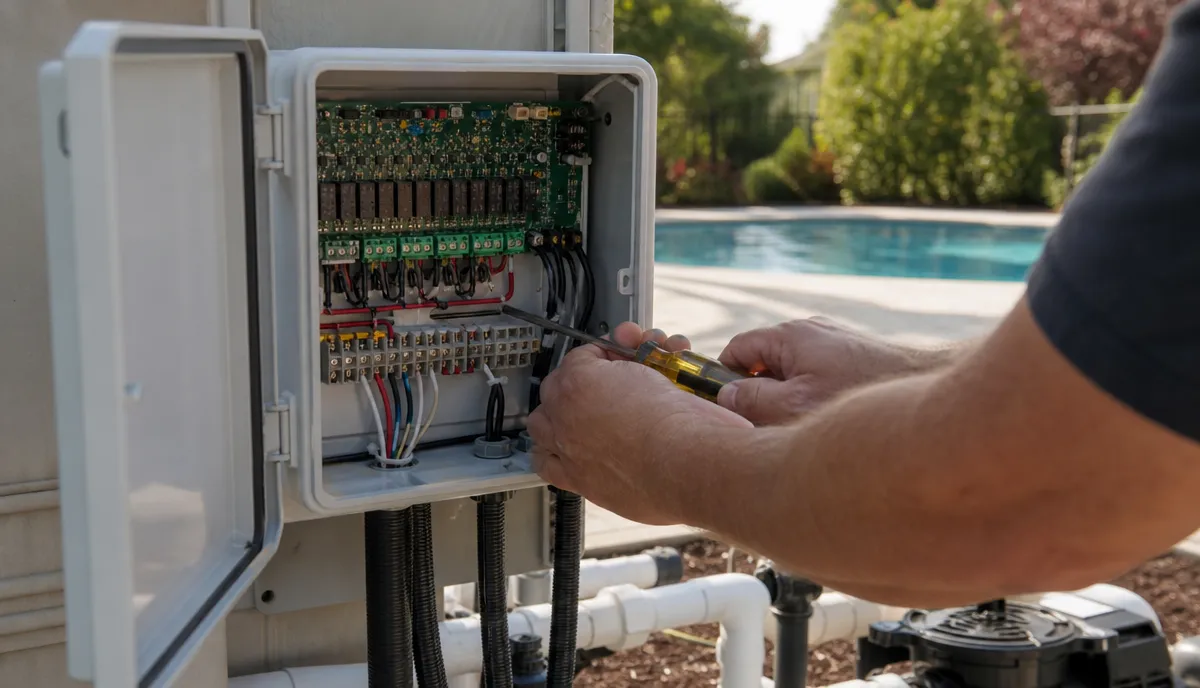
The inside of a pool automation panel
M & G Pools services in-ground pools exclusively. We do not service, repair or supply equipment for above-ground pools, and we do not service hot tubs or spas.
Because Raypak's pool range is predominantly gas, and a gas heater burns fuel to heat water directly — so it delivers the same output whether the air outside is 80°F or 45°F. A heat pump moves heat out of the air instead, so its output falls as the air cools and effectively floors out in April and October, the two months most people want a heater for.
Usually flow rather than the heater. Every gas heater shuts down below a minimum water flow to protect its exchanger, so it is reporting a problem elsewhere — most often a filter that needs cleaning, or a variable speed pump running too slowly for the heating cycle. Check your filter pressure before anyone quotes you a heater part.
The definitions for your unit are in Raypak's documentation for that model. We deliberately do not publish decoded codes for manufacturers whose own documentation we are not working from, because a wrong code sends someone to the wrong component with the gas on. Read us the code when you call and it will shorten the visit.
That is usually scale. Mineral deposit inside the heat exchanger insulates it, so the burner fires into a deposit rather than into water — a de-lime frequently restores a heater people had written off. Rising running cost with nothing else changing is the same symptom seen from the bill.
It depends on the heat exchanger, and its condition comes from water chemistry rather than age — scale and corrosion are what finish exchangers. A heater on well-balanced water can be sound at ten years while one that ran at low pH is done at five. A $150 service call covers up to the first hour of diagnosis, and we decide from what it finds rather than from a rule about age.