
Openings and closings start at $495 plus chemicals. Here is what that covers, what sits on top of it, and what moves the number for your pool.
A pool opening starts at $495 plus chemicals. A pool closing starts at $495 plus chemicals.
And they are the figures we publish because openings and closings are comparable enough between pools to price honestly. Most of what we do is not, and we say so on those pages rather than inventing a range.
And it is the part people are surprised by, so it gets its own section below.
An opening
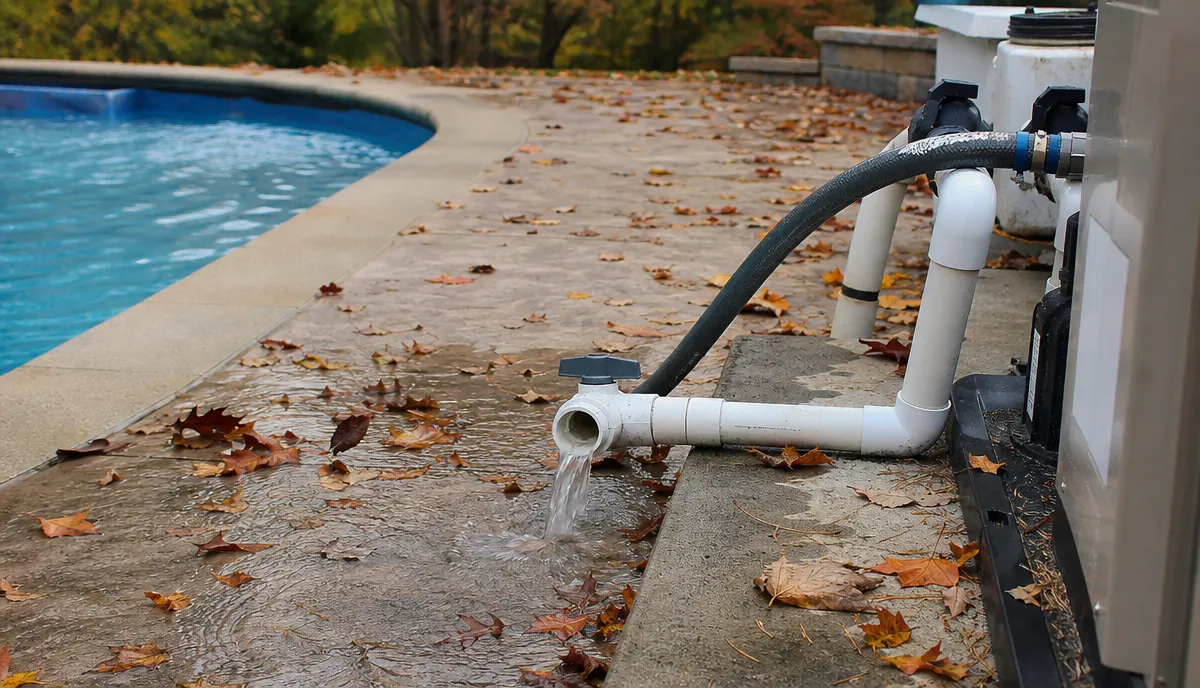
An opening is a whole visit: the cover comes off, gets cleaned and stored, the equipment goes back together, the system is started and checked, and the water is treated to bring it back. The step list is on pool opening service.
A closing
A closing is the visit that protects the pool through five months of not being used: the water is balanced and treated for standing still, the level comes down, every line is blown out with antifreeze where the geometry needs it, returns are plugged, the pump and filter are drained and opened, seasonal equipment comes off, and the cover goes on. The step list is on pool closing service.
Both are itemised on those pages deliberately — a starting price means very little unless you can see what it buys.
Four things, and none of them is a surprise if you know to ask.
Chemicals. Excluded from the starting price on both visits. The quantity depends on your pool's volume and the state of the water when we arrive — a pool that came through the winter well needs less than one that did not, which is one of several reasons a good closing pays for itself at the opening.
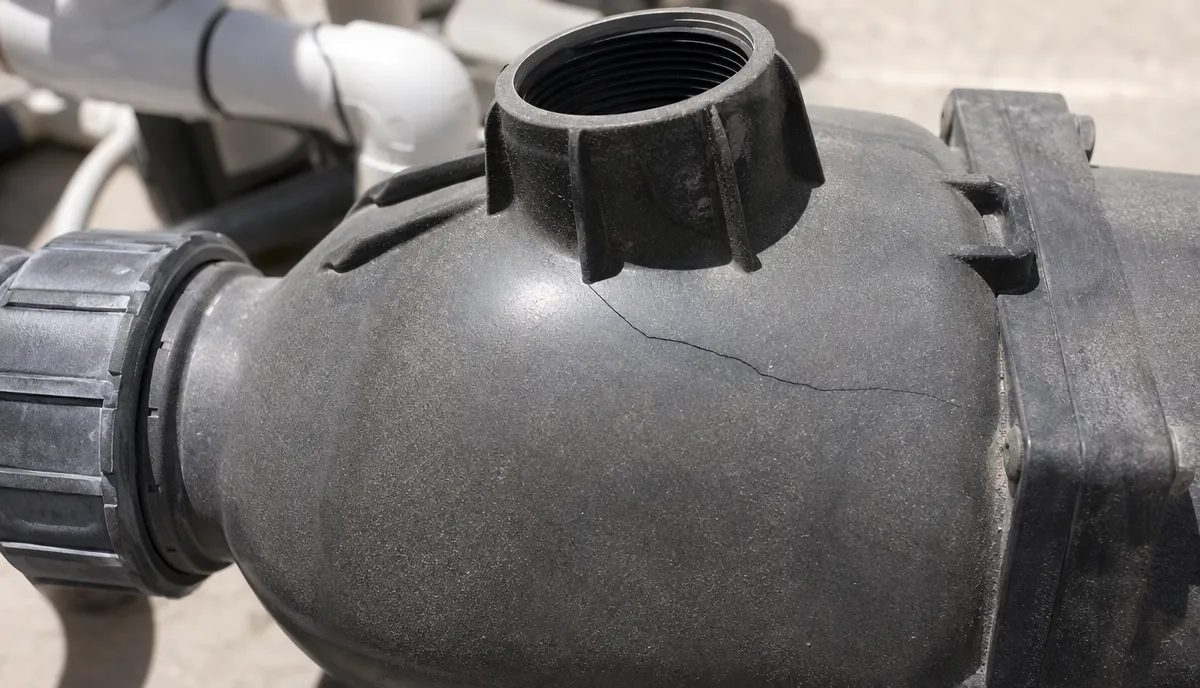
Parts and equipment. If the opening finds a cracked pump housing, a torn cover strap or a seized valve, that is a part rather than part of the visit. We quote it before doing it.
Additional labour a job turns out to need. An opening on a pool that was closed badly is a longer visit than one that was closed properly.
A diagnostic, if something needs finding rather than fixing. A $150 service call covers up to the first hour of diagnosis or repair on site. See pool equipment repair.
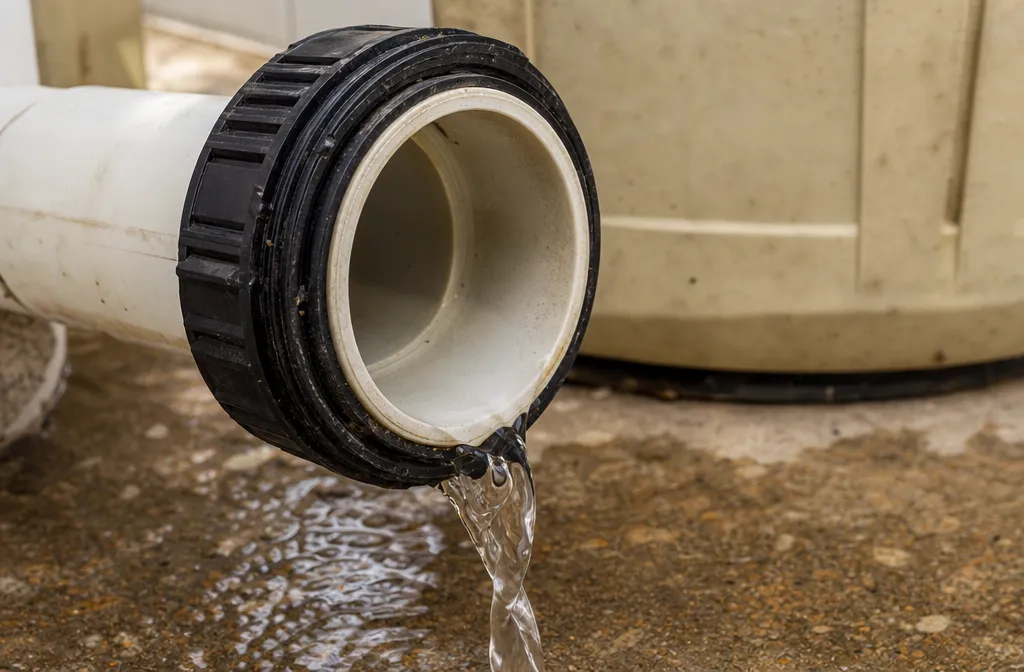
Six things, in roughly the order they matter:
Pool size, straightforwardly — more water, more chemicals, more line to blow out.
How many lines there are, and where they go. A pool with a main drain, several skimmers, multiple returns and a separate water-feature loop takes longer to blow out than a simple two-line pool, and every extra run is another place water can be left.
What is on the equipment pad. A heater, a salt cell, an automation controller and a booster pump each need their own attention at both ends of the season. A pad with a pump and a filter is a shorter visit.
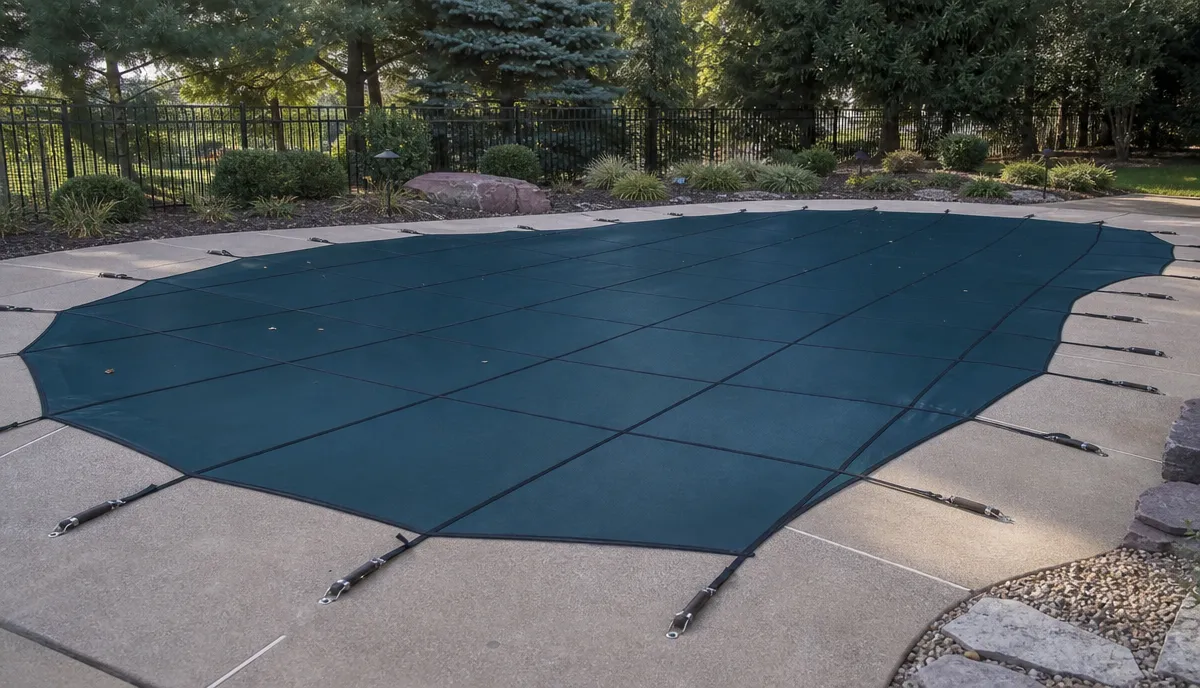
Whether there is a cover, and what kind. Cover-on and cover-off is part of the seasonal visit. A solid cover adds the pump to manage; a mesh cover does not. Covers themselves are quoted separately — see pool safety covers.
Access. How the equipment gets to the pool, whether a compressor can reach the pad, and whether the van can stand nearby. On a tight city site this is a real factor rather than a formality.
The condition it is in when we arrive. Which is the one you have some control over.
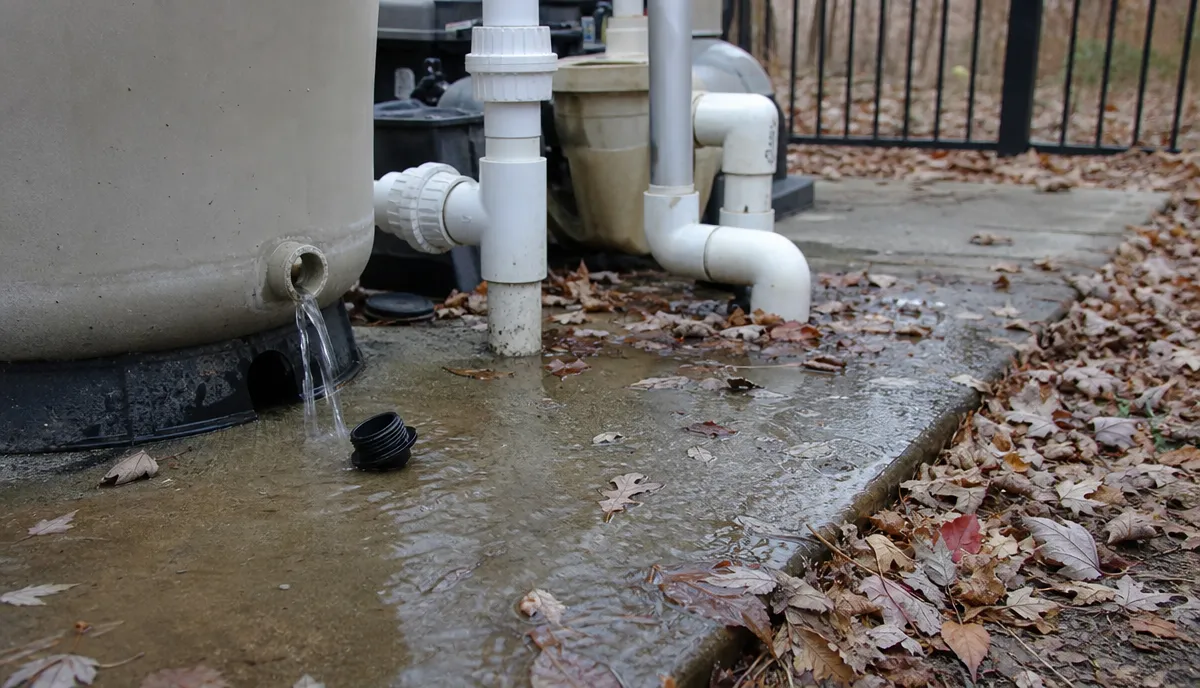
This is the part of a cost guide that is actually about cost, rather than about price.
And it comes from how the pool was closed rather than from how cold the winter was.
That destroys the component rather than injuring it — a split exchanger or a cracked underground return is a replacement, not a repair. And it is not a warranty matter, because it follows from the close.
An underground line costs more again, and it is the one you cannot see until the water goes somewhere it should not. The mechanism is set out on freeze damage and the close.
The visit where somebody blows the lines properly and puts antifreeze in the runs air cannot clear is the visit that decides what April costs.
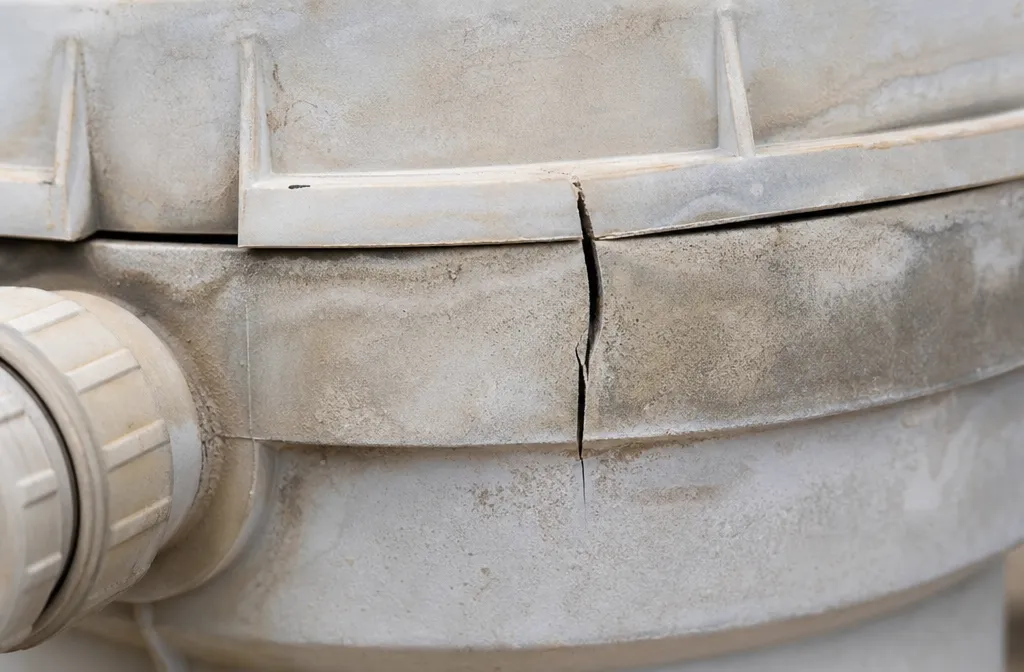
Freeze damage to a pool pump housing

“M&G has serviced our in ground pool for the past 10+ years. Seasonal opening & closing, replacing heaters, pumps and a number of aggravating repairs that Matt & his crew have handled correctly at a fair price. Recommend highly.”
Tell us the size, what is on the pad and whether there is a cover.
When to close is a local question, and the answer is not the same across our area.
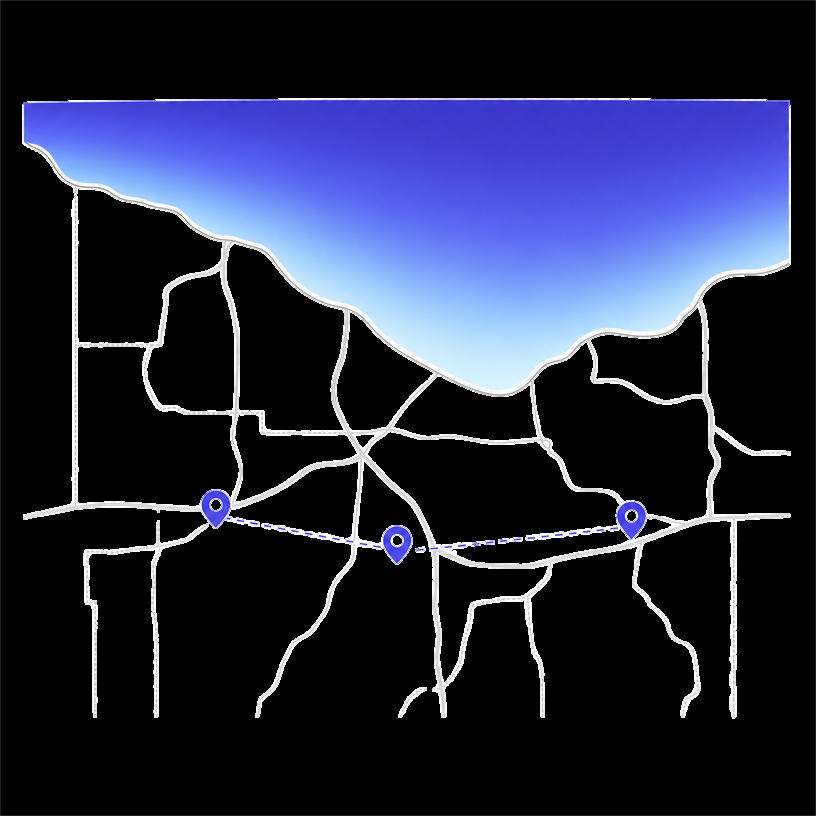
Distance from Lake Erie decides it. The lake holds summer heat and releases it slowly, so autumn air near the shore stays milder and the first hard frost arrives later. Across the seventeen towns we serve that runs from about 0.6 miles from the water to about 27.5 — which is the difference between a realistic November close and a mid-October one.
Inland pools close earlier and stay closed longer, so they carry more freeze exposure and more freeze-thaw cycling over the winter. Shoreline pools get a later close but a milder, more cycling winter, which is harder on cover hardware than a hard freeze is.
And the practical cost consequence is about the calendar, not the price list: book the date and treat it as movable. A booked closing can be pushed later if the autumn is kind. An unbooked pool in the first hard week of November is competing with every other unbooked pool in Northeast Ohio, and that is when mistakes get made.
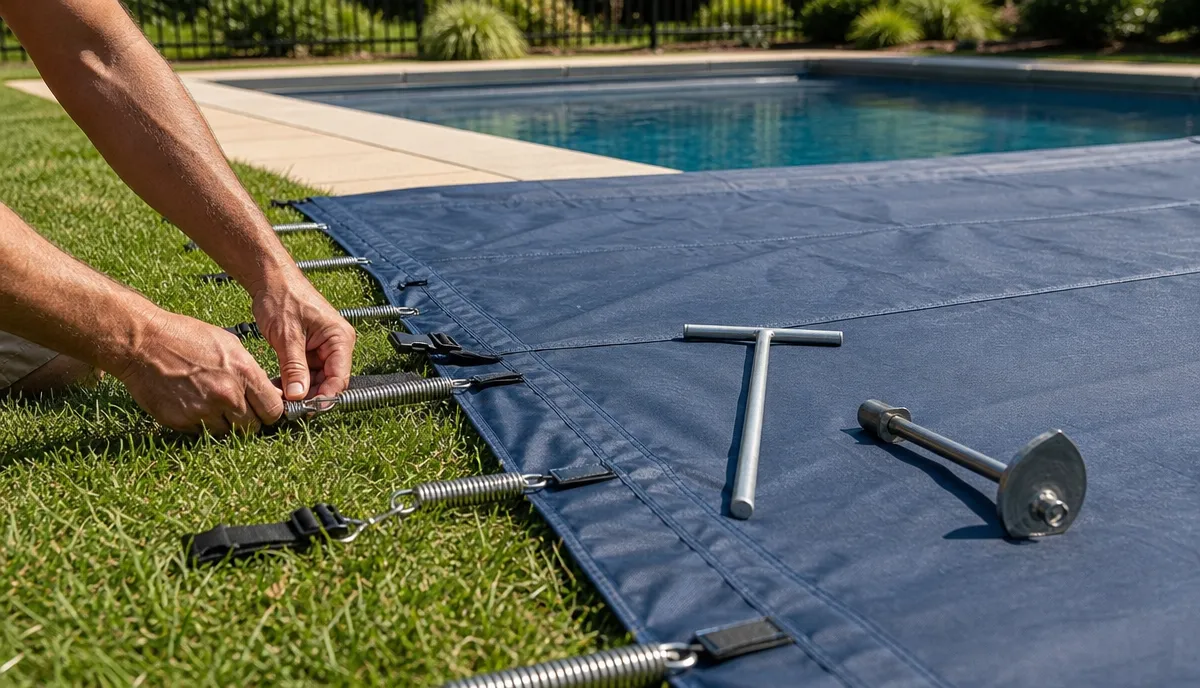
A pool safety cover laid out on grass with its hardware beside it
Book early. It costs nothing and it buys options — a closing booked in August can move later; one booked in November cannot move at all.
Have the pool serviced through the season. A chemical and equipment check is from $72 per visit plus chemicals, and its real value at this end of the year is that a weeping pump seal, a scaling exchanger or a cover strap that has stretched all get noted on a sheet in September rather than discovered in April. Same faults, very different invoices.
No average job value. The client's own instruction, and we agree with it: an average is a number that describes nobody's pool. Starting prices and a quote are more use than a mean.
No third-party "typical Ohio cost" range. We do not hold sourced figures for that, and quoting an uncited range would be inventing one.
No free estimates, and no financing — we accept credit card payment. The price that applies to your job is the one on your written estimate, not one from this page.
For the services themselves see pool openings and closings, or the rest of the resources.
Openings start at $495 plus chemicals, and closings start at the same. Those are starting prices rather than quotes — what moves them is pool size, how many lines there are, what is on the equipment pad, whether there is a cover and what kind, access, and the condition the pool is in when we arrive.
Because the quantity depends on your pool's volume and the state of the water when we arrive, and those vary more than the labour does. A pool that came through the winter well needs less at the opening than one that did not — which is one of the reasons a properly done closing pays for itself.
Financially, yes, and it is not close. Freeze damage is the most expensive avoidable event on a pool in this climate, and it comes from how the pool was closed rather than from how cold the winter was — water left in a line or a heat exchanger cracks the housing around it, and that is a replacement rather than a repair. A cracked pump wet end costs more than several closings.
We will not publish an average, on the client's own instruction and because an average describes nobody's pool. We publish the starting price and quote the rest. We also do not cite third-party "typical cost" ranges, because we hold none we could source.
The opposite, usually. Booking early costs nothing and buys options: a closing booked in August can be moved later if the autumn is kind, while an unbooked pool in the first hard week of November has no flexibility at all. That is also when rushed work happens.