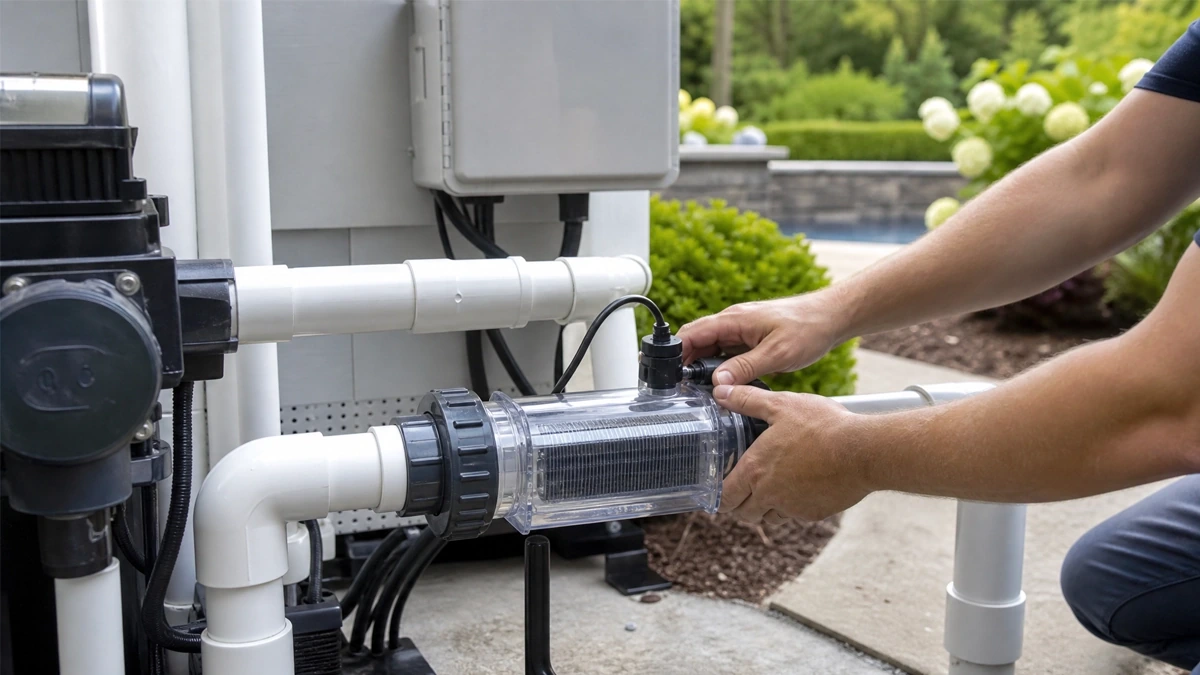

Cells, controllers and flow sensors — diagnosed, repaired and replaced. $150 service call across Twinsburg, Solon, Hudson and the Route 91 corridor.
Worth getting straight first, because almost every other question follows from it.
And it still needs to sit in the right range.
And arguably more. pH tends to drift upward on a salt pool, and a salt pool run at the wrong pH will scale its own cell.
It is doing electrochemical work every hour the pump runs, and it wears out. That is not a fault, it is the design.
A salt chlorine generator makes chlorine. Salt is added to the water, and the cell passes a current through it, splitting the salt to produce chlorine in the pool. The chlorine then does exactly what chlorine does.
So a salt pool is not a chlorine-free pool. It is a pool that manufactures its own chlorine continuously instead of you carrying buckets. That is a real convenience and it is why people like them — but it means:
People who understand those three things get years of easy service out of a salt system. People who were told it was maintenance-free are the ones we meet when it has stopped working.
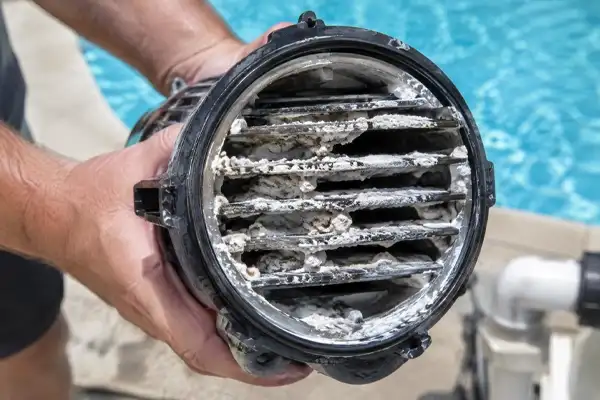
Calcium scale between salt cell plates
In rough order of how often we find each.
The cell is scaled. Calcium builds up on the plates and insulates them, so the cell cannot pass current properly and output falls. This is the commonest cause by a wide margin, and it is chemistry-driven — a pool run at high pH or high hardness scales its cell faster. Often the cell cleans up and works again.
The cell has reached the end of its life. Plates degrade with use. A cell that cleans up and still will not produce is generally finished, and that is a replacement rather than a repair.
There is not enough flow. The system will not produce without adequate flow across the cell, and it will report a flow fault rather than a cell fault. This is now the most common false alarm we see, because a variable speed pump running at an efficient low speed may not satisfy the cell's flow sensor. The pump is fine, the cell is fine, and the speed assigned to that cycle is too low — see variable speed pool pumps.
The flow sensor itself has failed, or silted up so it reads wrongly.
Salt is low. Water lost to backwashing, splash-out and rain dilution takes salt with it. A generator below its salt requirement will not produce, and it usually says so.
The water is too cold. Salt cells produce poorly below a certain water temperature and many shut off entirely — which is normal, and it is why an early-season pool on a salt system may need supplementing until the water warms. In this climate that is a genuine April consideration rather than a fault.
The controller has failed — the least common of the list, and the one people assume first.
Diagnose — a $150 service call covers up to the first hour, and on a salt system that hour usually settles whether you have a cell problem, a flow problem or a chemistry problem.
Clean cells properly. A scaled cell needs the right cleaning approach; over-aggressive cleaning removes plate coating and shortens the cell's remaining life, which is a common way a cell gets finished off by good intentions.
Replace cells where they are genuinely done.
Repair and replace controllers, flow sensors and the plumbing around the cell.
Fix the cause, not just the symptom. A cell that scaled once will scale again on the same water. That is a chemistry conversation, and it is what a regular chemical and equipment check is actually preventing.
The step most people miss, and it is expensive to miss.
The cell is a plumbed component full of water. Left in place over a Northeast Ohio winter it can freeze and crack — and a cell is one of the more expensive single items on the pad. Freeze damage to it is a replacement, not a repair, and it is not a warranty matter because it follows from how the pool was closed.
So a proper close treats the cell as its own item: the lines get blown out, the cell is drained or removed, and the controller is left in the right state. We do that as part of a pool closing — but if somebody else closes your pool, it is worth asking specifically what they do with the cell.
One more winter note: the controller usually needs powering down or putting into a winter mode rather than left trying to produce into a closed system.
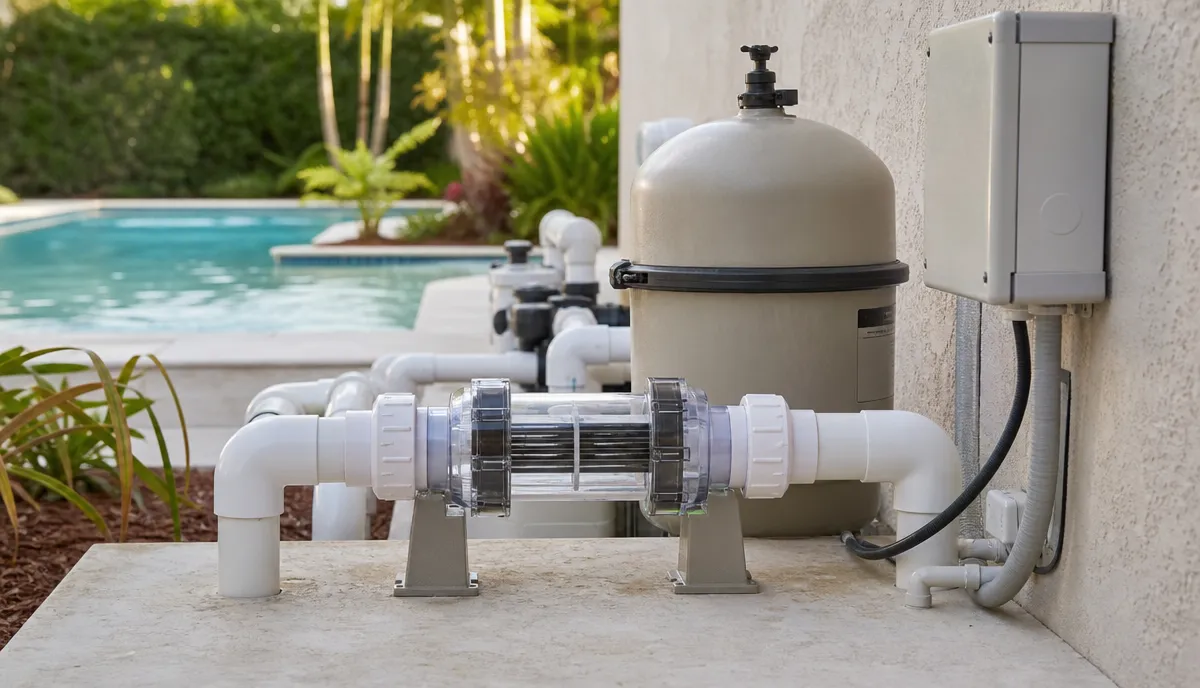
A salt chlorine generator cell in the plumbing
Two things worth knowing that nobody mentions at the point of sale.
Salt is mildly corrosive to some materials. Over years it can work on certain metals around a pool — ladders, rails, some fixings, and some stone or coping materials. It is not dramatic and it is not a reason to avoid a salt system, but it is a reason to keep an eye on metal fixings and to keep the water balanced rather than assuming salt makes chemistry irrelevant.
A salt pool still stains from metals. If your fill water carries iron or copper — common on well supply here — those still come out of solution and mark a liner unless they are held with a sequestrant. A salt system does nothing about that.
“The crew is super knowledgeable and courteous.”
Often it is flow or scale rather than the cell.
Salt systems and controllers belong together, and on many pools the salt generator is already under the automation.
The integration point that matters is the same one as everywhere else on the pad: flow. The controller needs to run the pump at a speed the cell will accept during the sanitising cycle. Get that right once and the pool runs itself; get it wrong and the cell reports faults nobody can explain. See pool automation.
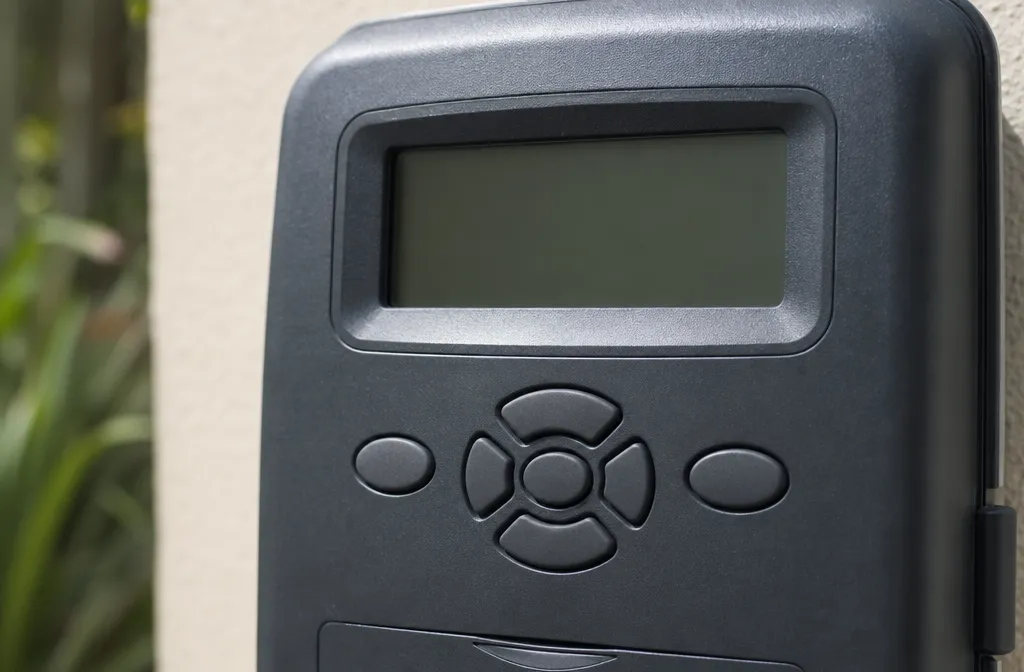
The keypad of a pool automation controller
We service, repair and replace salt chlorine generators from Hayward, Pentair, Jandy, Fluidra and Zodiac, alongside the rest of the equipment pad — see pool equipment repair and brands we service.
Products we install carry the full manufacturer's warranty, which varies by manufacturer and generally runs between one and three years. We do not offer a separate workmanship guarantee, and nothing on this page should be read as one.
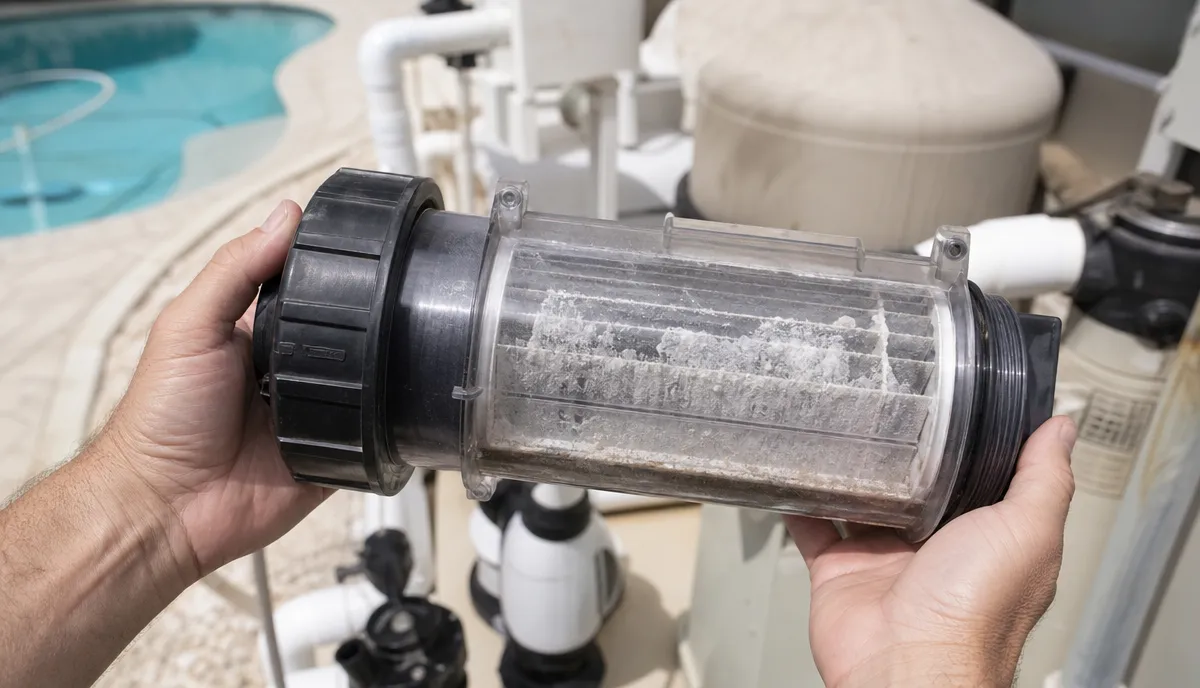
Scale on the plates of a salt cell
M & G Pools services in-ground pools exclusively. We do not service, repair or supply equipment for above-ground pools, and we do not service hot tubs or spas.
No. A salt chlorine generator makes chlorine from salt by passing a current through the water, so a salt pool is a chlorine pool that manufactures its own. You still test for chlorine and chemistry still matters — arguably more, because pH tends to drift upward and a salt pool run at the wrong pH will scale its own cell.
Most often the cell is scaled, which insulates the plates so it cannot pass current properly — and that is chemistry-driven. After that: not enough flow across the cell, a failed or silted flow sensor, low salt, water that is still too cold in early season, a cell that has reached the end of its life, or least commonly the controller.
That is now the most common false alarm we see. A variable speed pump running at an efficient low speed may not satisfy the cell's flow sensor — the pump is fine, the cell is fine, and the speed assigned to the sanitising cycle is too low. It is a settings fix rather than a part.
It is a consumable doing electrochemical work every hour the pump runs, so it wears out — but how fast depends heavily on your water. A pool run at high pH or high hardness scales its cell and shortens its life considerably. We will not quote you a figure in years, because the honest range is wide and the thing that decides it is chemistry.
Yes, and it is the step most often missed. The cell is a plumbed component full of water, and left in place over a Northeast Ohio winter it can freeze and crack — which is a replacement rather than a repair, and not a warranty matter because it follows from how the pool was closed. A proper close blows out the lines, drains or removes the cell, and leaves the controller in the right state.