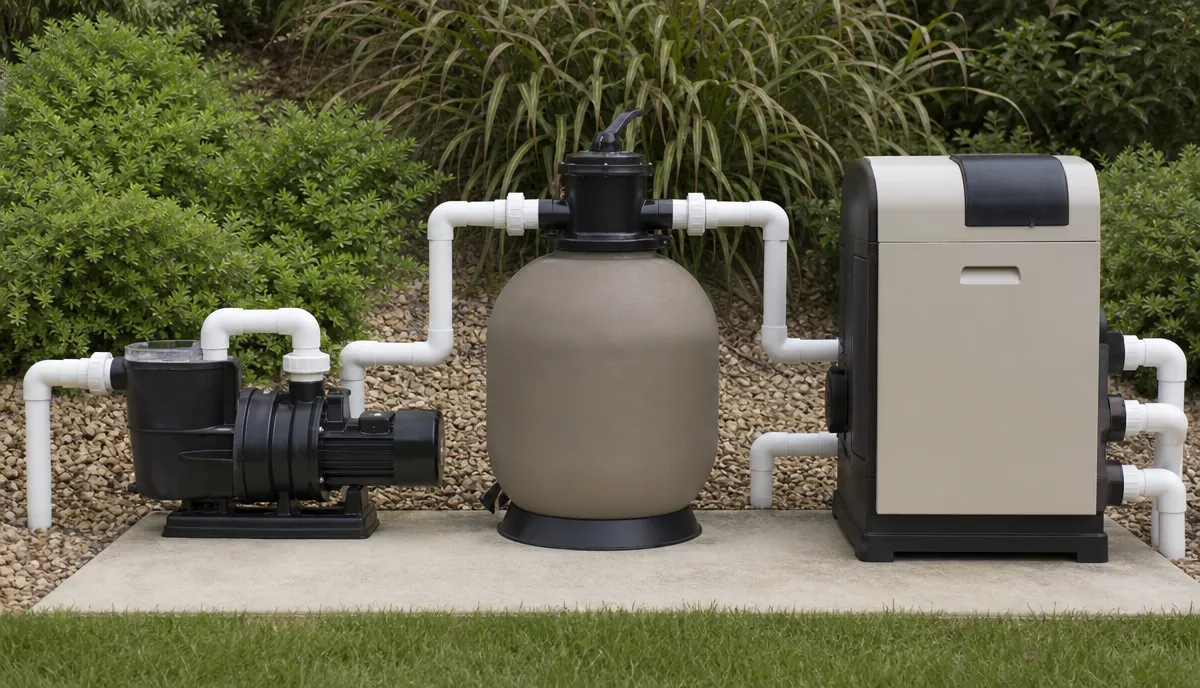

A pool heater has four costs, not one — and the two people forget are the ones that cause the arguments. Here is what drives each of them.
You came here for a number and we are not going to give you one. Here is the reasoning, because "it depends" on its own is useless.
The unit depends on your pool's surface area, how you want to use it and what is already on the pad; the installation depends on what is there to connect to.
It moves with your gas rate, the temperature you hold, how often you swim, how exposed the pool is and — more than any of those — whether you use a cover. Any figure we printed would be arithmetic about somebody else's pool presented as a fact about yours.
So that when you get quotes you know which four numbers to ask for and which one the quote is probably silent about.
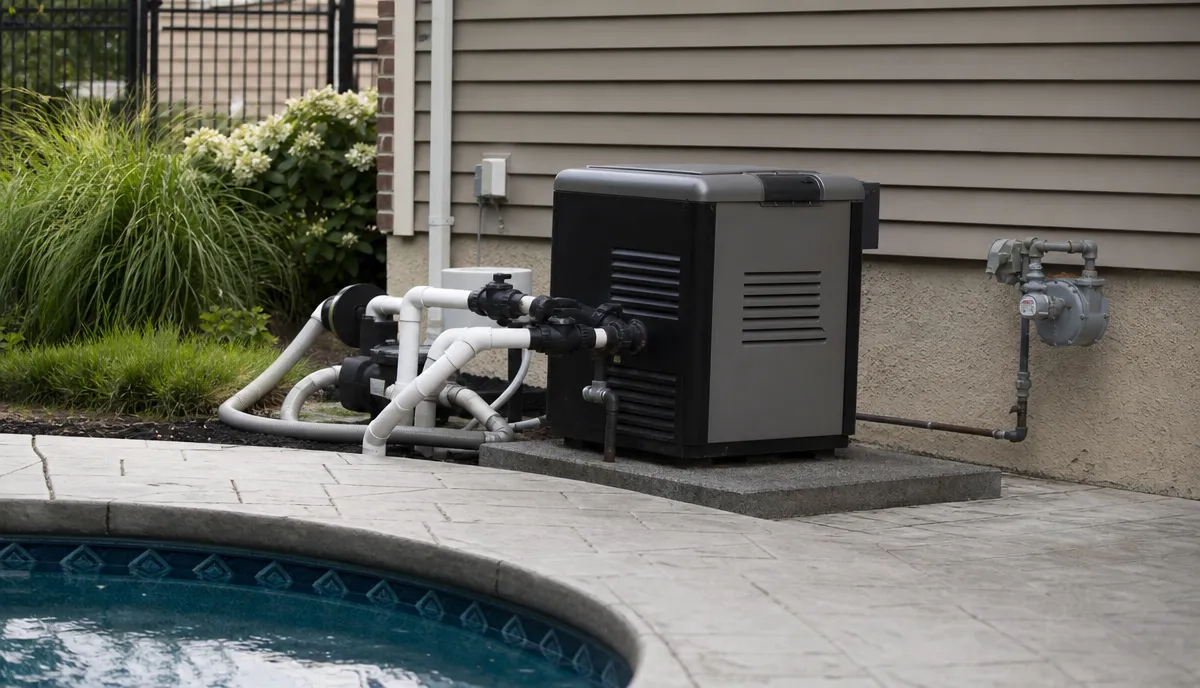
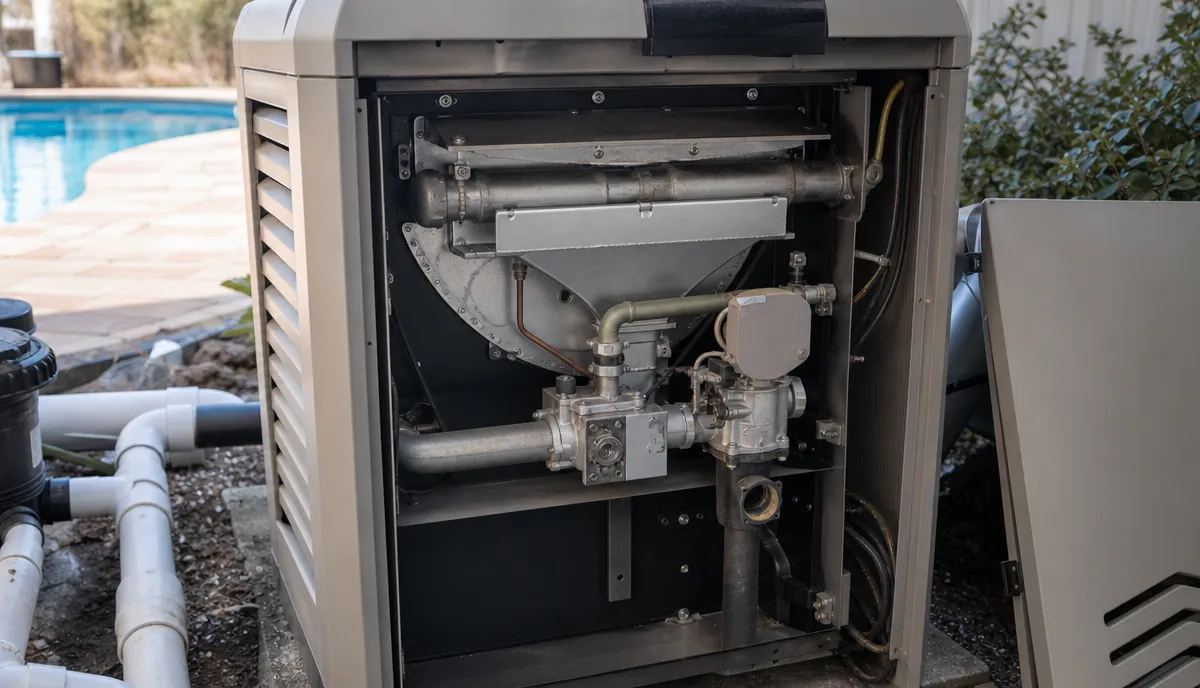
What drives it, in order:
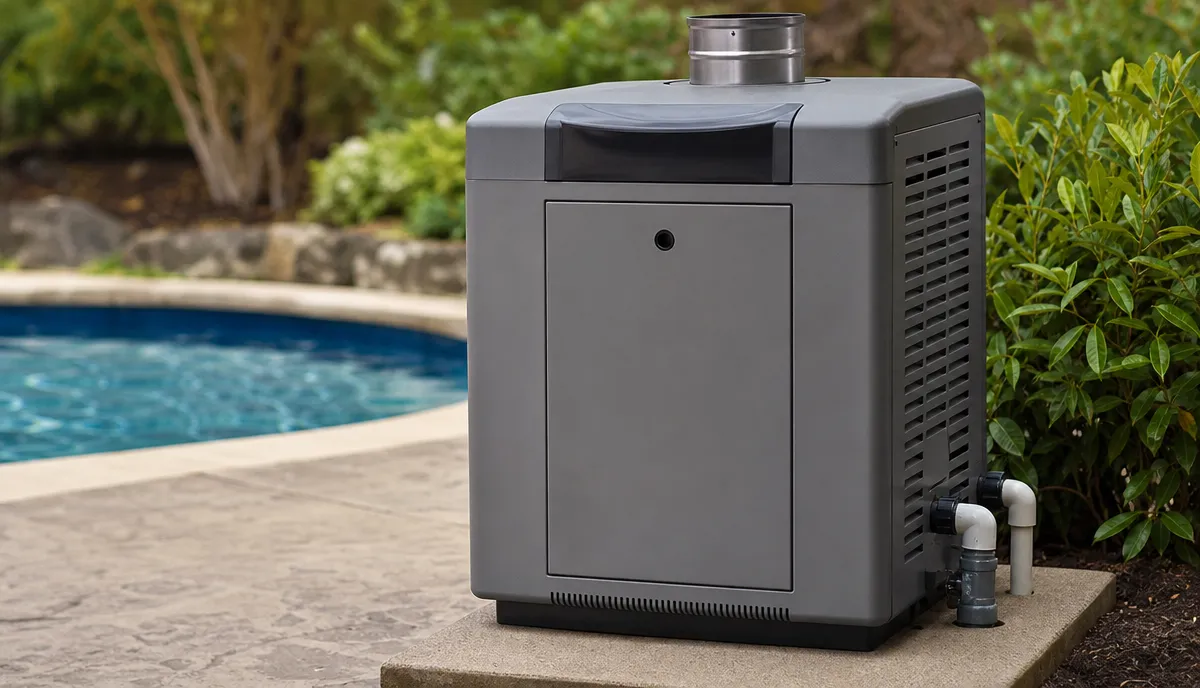
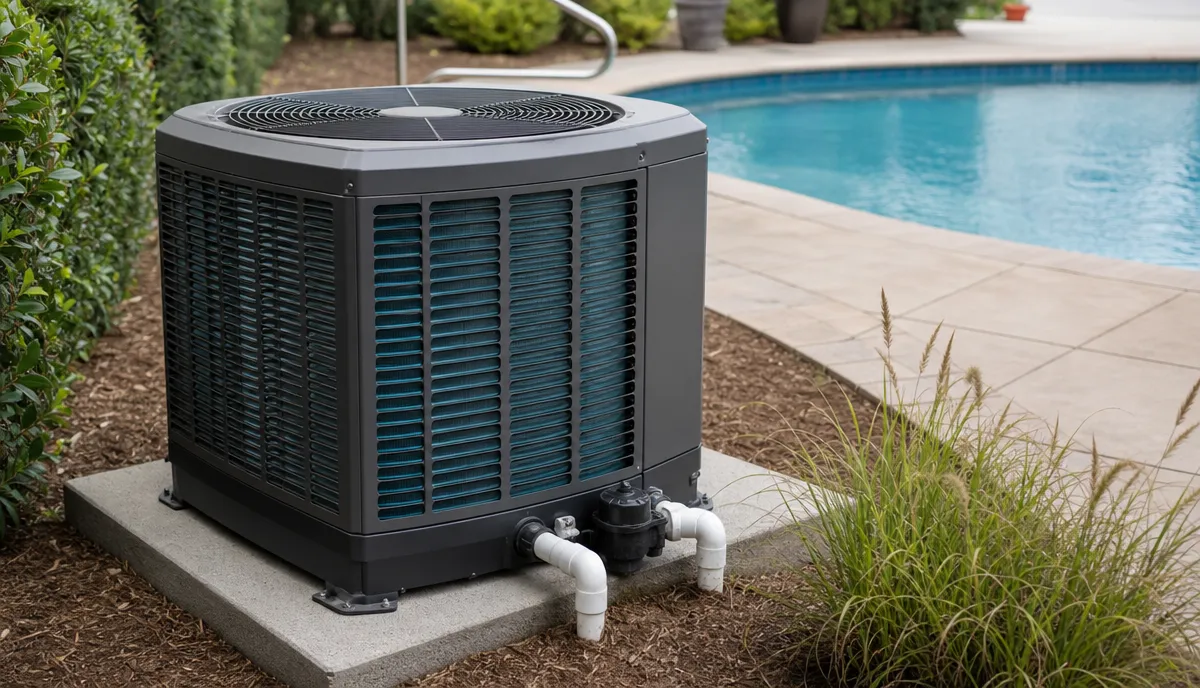
Type. Gas and heat pump are different machines with different economics, and the choice is about when you want to swim rather than about budget. A heat pump moves heat out of the outside air; its output falls as the air cools, which is exactly when a shoulder-season swimmer wants it. Gas does not care how cold the air is. The comparison is on pool heaters.
Output, which follows from your pool rather than your preference. Sizing depends on surface area, the temperature you want to hold, wind exposure and whether the pool is covered when it is not in use — not on volume alone. An undersized heater is the most expensive heater there is, because it never satisfies and you buy it twice.
Features you may or may not use. Controller compatibility matters if there is automation on the pad or coming; a heater that cannot talk to the controller is a heater someone will be operating by hand.

Not a swap in most cases, and this is where quotes diverge most.
A like-for-like replacement on an existing pad is the simplest version: the connections are there, the plumbing is sized, the supply is adequate.
Anything else involves work on the pad: re-plumbing to fit a unit of a different footprint, moving connections, a new pad section, condensate handling on a heat pump, and getting the old unit out. Access matters — a heater is a bulky item, and if your gate is narrower than the unit that is a conversation before it is a quote. See pool heater installation.
This is the one that turns a settled decision back into an open one, and it is the reason to ask about it first rather than last.
On a gas heater: your existing gas supply may not be adequate for the unit you want. A pool heater is usually the largest gas appliance on a domestic property and often the last one added. If you are going up in output, the line that was sized for the appliances it was originally fitted for may not carry it — and the symptom of an inadequate supply is a heater that lights and then drops out under load, which people spend years mistaking for a faulty heater.
On a heat pump: the electrical supply may need attention rather than the gas.
And here is our boundary, stated plainly: we do not run or alter gas lines, and we do not do electrical supply work. Both are licensed trades. We will tell you what the unit needs and what we found, and hand it over rather than improvise.
Which means a heater quote can have a second quote attached to it, from somebody else. Establish that before you choose a unit, not after.
We will not print a figure. We will tell you where the money actually goes.
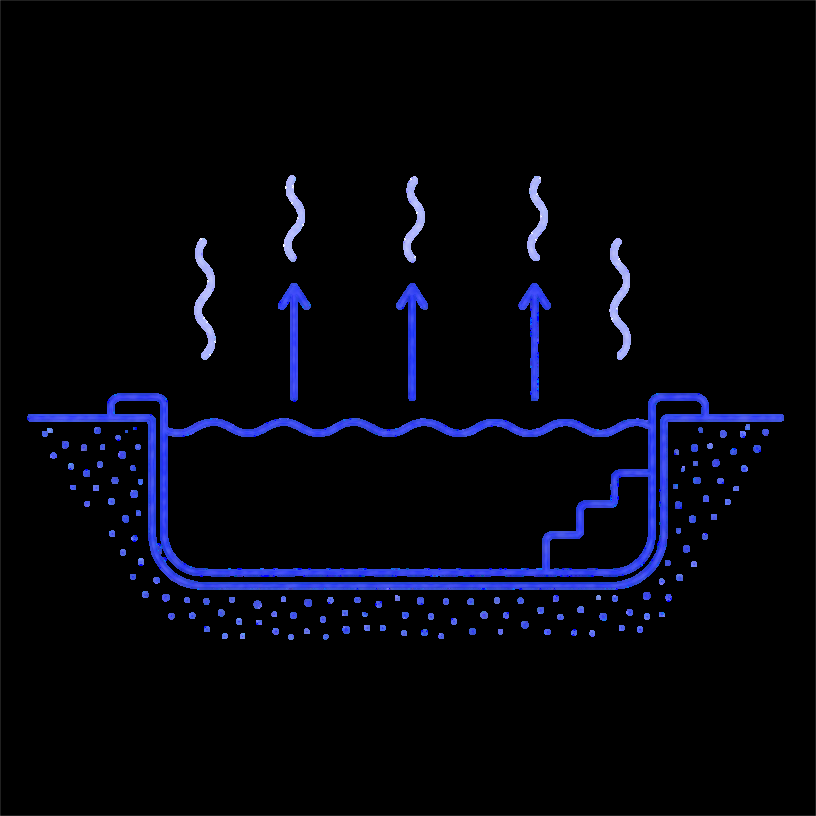
Almost all of a heated pool's heat loss is off the water surface, and the largest single part of that is evaporation — when water evaporates it takes energy with it, so a warm evening with dry air and a breeze is cooling your pool while the heater pays for it. Conduction into the ground, the thing most people assume is the problem, is the smallest part.
So the single biggest lever on running cost is not the heater. It is whether the surface is covered. For in-season evaporation control that means a floating thermal or solar cover — a different product from a winter safety cover, and one we do not supply; a pool retailer is the place for it. The mechanism is set out on evaporation and covers.
After that, in rough order: the temperature you hold (every degree costs), how much of the year you run it, wind exposure, and how well the water is balanced — because scale on the exchanger makes the heater burn the same gas to move less heat into the water.
April and October — and how much that is worth depends on where you are.
The lake holds summer heat and releases it slowly, so autumn near the shore runs milder and later. Across the towns we serve that spans roughly 0.6 miles from the water to about 27.5.
Inland — Stow, Bath Township, Hudson — the natural season is shortest, so a heater is buying proportionally the most, and gas rather than a heat pump if the shoulder weeks are the point. Near the shore — Bratenahl, Waite Hill — you already have a later autumn, so the heater is topping up a longer season rather than creating one, but the extra wind across the water makes a cover matter more.
And why we would rather look at the pool than quote from a page.
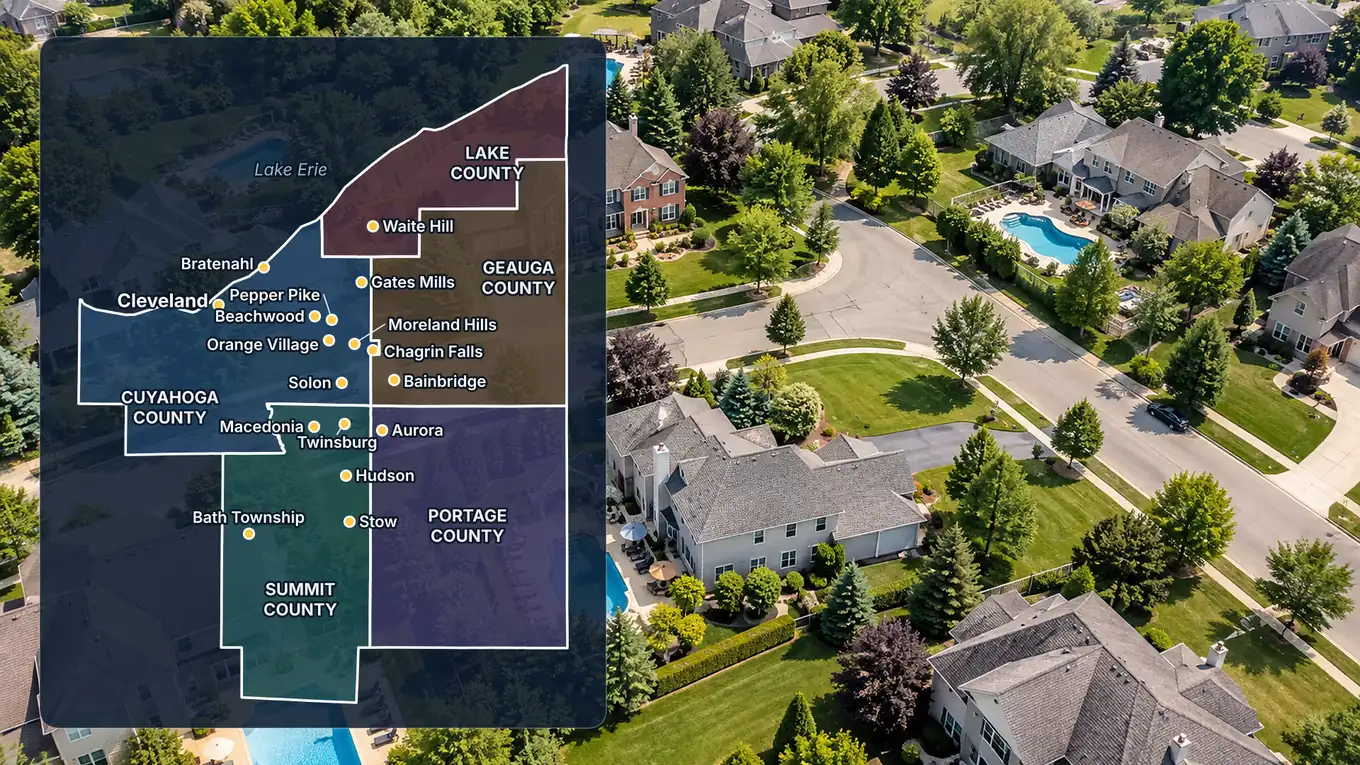
A map of the five Northeast Ohio counties served, beside an aerial view of a suburban street with in-ground pools among mature trees
“Matt and his team are fantastic to work with. Easy to schedule, quality work is done right the first time. Highly recommend.”
Tell us the pool size, what is on the pad and how you want to use it.
The heater that costs you least is often the one you already own, and two of the most common "my heater is dying" calls are not the heater at all.
A heater that will not fire is frequently a flow problem — a loaded filter, a part-closed valve, a low water level, or a variable-speed pump set below the minimum flow the heater's switch will accept. That is a cheap outcome and it looks exactly like a broken heater. See pool heater repair.
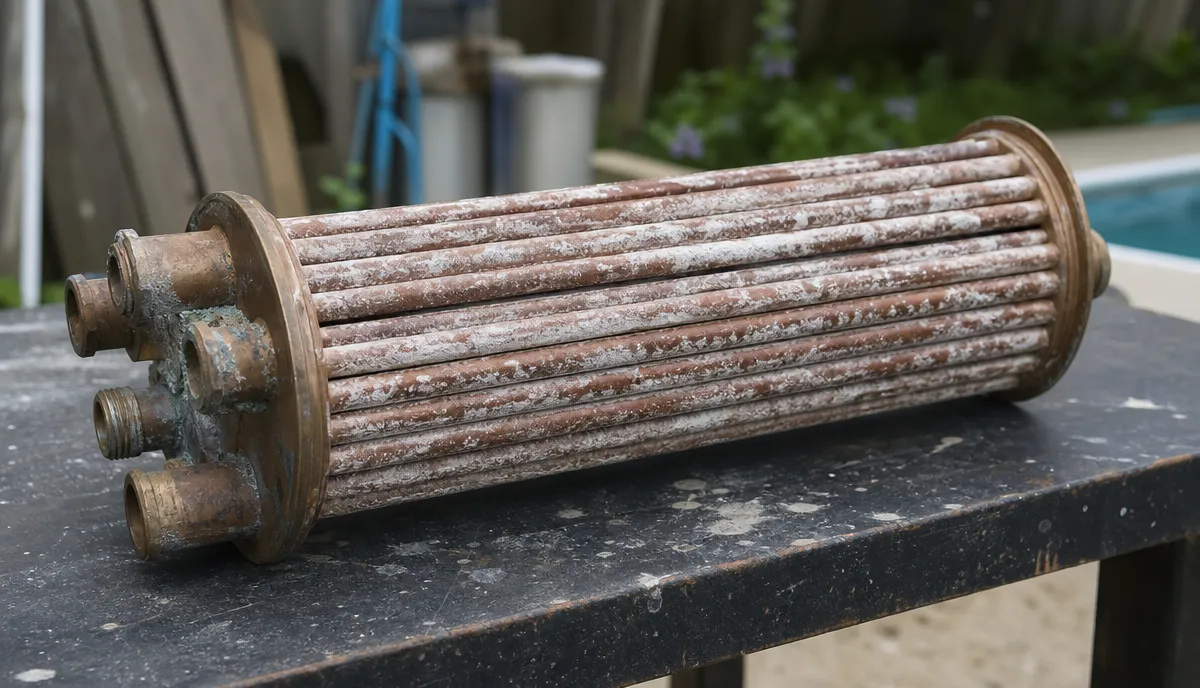
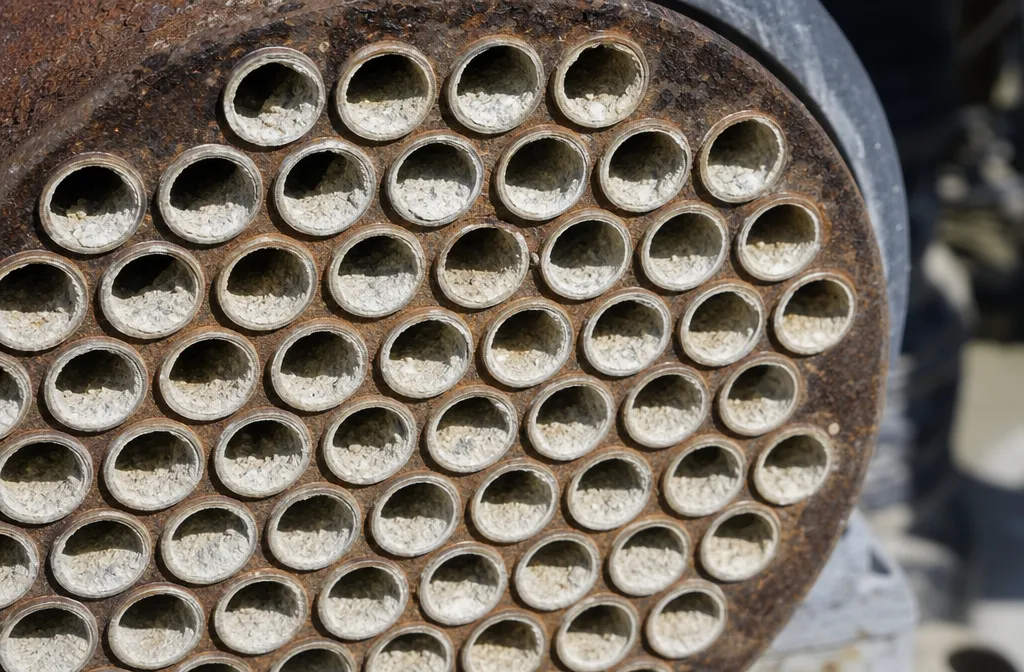
A heater that takes longer to warm the pool than it used to is usually scaled, not tired. Calcium comes out of solution on the hottest surface in the system, scale insulates, and the heater burns the same gas to move less heat. Where the unit is sound the water side can be de-limed.
When it genuinely is time to replace, the decision is about which part failed, whether the cause of the failure is still present, and whether the rest of the unit is sound — set out on repair or replace and pool heater replacement.
A $150 service call covers up to the first hour of diagnosis or repair on site, with parts and further labour quoted before we do them.
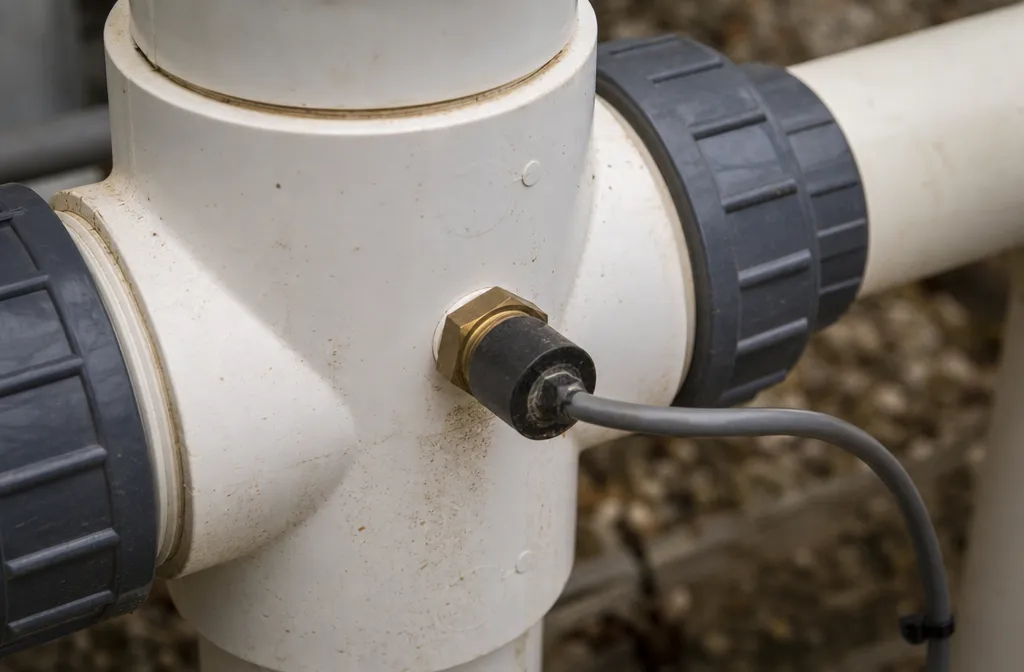
A pool heater flow switch
Consistently balanced water. Scale and corrosion are what finish heat exchangers, and both come from chemistry rather than from the heater being a bad heater.
A chemical and equipment check is from $72 per visit plus chemicals, with a written sheet every visit — and on a pool with a heater worth protecting, the sheet is the point: chemistry damage is cumulative and a drift shows up across readings rather than in one.
No purchase price, no installation price, no running cost, no payback period. Not evasion — every one of them depends on your pool, your supply and your gas rate, and a number here would be wrong in a direction you could not check.
No third-party "average cost" range, because we hold none we could source and quoting an uncited one would be inventing it.
No free estimates, and no financing — we accept credit card payment. The price that applies to your job is the one on your written estimate. The rest of the guides are on resources.
We will not publish a figure, and the reason is that there are four separate costs rather than one: the unit, the installation, any gas or electrical supply upgrade, and the running cost. Ask any quote for all four — the third is the one most often left out, and it is the one that reopens a settled decision.
That we will not put a number on at all. It moves with your gas rate, the temperature you hold, how often you swim, how exposed the pool is, and above all whether the surface is covered — almost all of a heated pool's heat loss is off the surface, and most of that is evaporation. A figure from us would be arithmetic about somebody else's pool.
Possibly, and it is worth establishing before you choose a unit. A pool heater is usually the largest gas appliance on a domestic property, so going up in output can exceed what the existing line carries — and an inadequate supply shows up as a heater that lights and drops out under load, which is often mistaken for a faulty heater for years. We do not run or alter gas lines: that is a licensed gas fitter's work, and we will say so rather than improvise.
They are different machines rather than two price points, and the question is when you want to swim. A heat pump takes heat out of the outside air, so its output falls exactly when a shoulder-season swimmer wants it most; gas does not care how cold the air is. If April and October are the point, gas. The full comparison is on our pool heaters page.
Cover the surface when the pool is not in use. Almost all the heat loss is off the water, and most of that is evaporation carrying energy away with it. For in-season use that means a floating thermal or solar cover — a different product from a winter safety cover, and one we do not supply; a pool retailer is the right place for one.